Popular Searches:
Recommended Posts



Search Results

Longevity is deeply woven into Chinese culture. But Chinese New Year – a time of joy but also excess – can impact your longevity if you’re not mindful. Here’s what medical professionals in Singapore have to say
Growing up watching period Chinese dramas, you’d often hear characters in the imperial court utter the phrase “万岁, 万岁, 万万岁” – a term roughly translated to mean “long live the Emperor”. At home, your parents might have displayed Fu Lu Shou figurines, with Shou (寿) representing the God of Longevity.
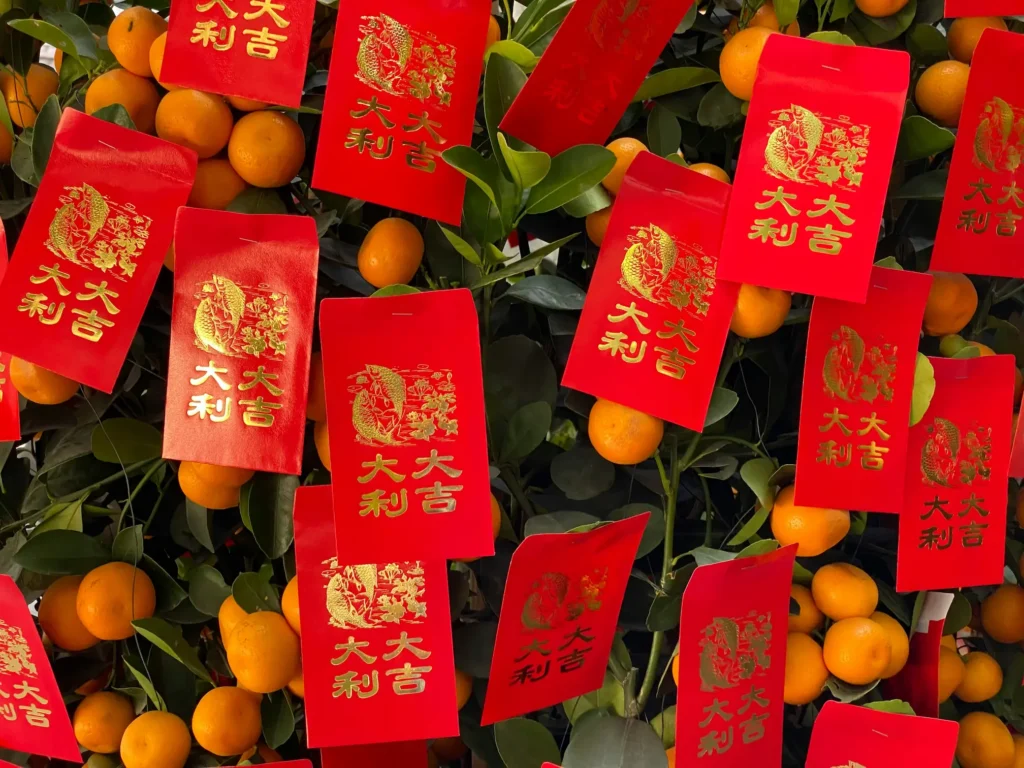
Indeed, Chinese culture is coded with wishes for longevity and vitality. In Chinese culture, longevity isn’t an end-goal; it’s a lifestyle. You eat it, speak of it, gift it, and seek remedies that promote it. Longevity is inextricably woven through language, art, food, medicine and rituals.
Just think: The Chinese routinely consume 长寿面 – literally, longevity noodles – at birthdays, weddings and Chinese New Year celebrations. During the latter, younger generations wish their elders “龙马精神” – “may you have the vitality of a dragon and horse”.
And Traditional Chinese Medicine (TCM)? It’s basically the OG longevity protocol, emphasising regular maintenance and preventive measures rather than late-stage rescue. Fun fact: In their search for ways to prolong life – an elixir or potion for immortality – Tang Dynasty alchemists stumbled upon the formula for gunpowder, which they called 火药 – literally, fire medicine.
“Chinese culture’s respect for longevity supports a prevention-first mindset: Health as daily cultivation (养生), staying capable for family, and thinking long-term for family legacy,” explains Dr. Claudine Pang, Founder of Asia Longevity in Singapore.
“This can make modern wellness easier to adopt because routines, rituals, and family motivation already exist,” Dr. Pang adds. “Simple habits like regular movement, consistent meals, and check-ups can feel culturally aligned.”
However, she cautions, this can also make prevention easier to overlook. Many longevity-threatening issues, such as insulin resistance, fatty liver, and high blood pressure are silent early on, which can cause sufferers to delay action.
At the same time, Chinese culture’s expressions of love and hospitality through food can normalise overeating, snacking, and the consumption of sugary drinks – particularly during festive occasions such as Chinese New Year.
So how then, do you go about celebrating the festivities while also being mindful of your longevity (in the modern, science-based sense)?
Dr. Kalpana Bhaskaran, President of Diabetes Singapore and President of Singapore Nutrition and Dietetics Association, believes that Chinese New Year traditions are fundamentally preventive-health rituals in symbolic form, in that they express hopes for longevity, abundance and resilience.
“Modernising [those rituals] does not require abandoning tradition but aligning the symbolism with behaviours that genuinely support long-term health,” Dr. Bhaskaran maintains.
Does that mean sticking to your diet or meal plan throughout Chinese New Year, or foregoing your favourite seasonal treats?
For Dr. Lim Su Lin, Chief Dietitian at Asia Longevity, maintaining a strict diet during the festivities is often unrealistic. “Setting boundaries is more sustainable,” she says. “That could mean deciding in advance how many festive treats you’ll have per day, or choosing which meals you’ll enjoy freely and which ones you’ll keep lighter.”
In other words, it’s about being intentional.
Dr. Pang agrees. “[Practicing longevity habits during Chinese New Year] is not about missing out – it’s about staying well enough to enjoy many more New Years to come.”
Short on time? Jump to what matters most to you.
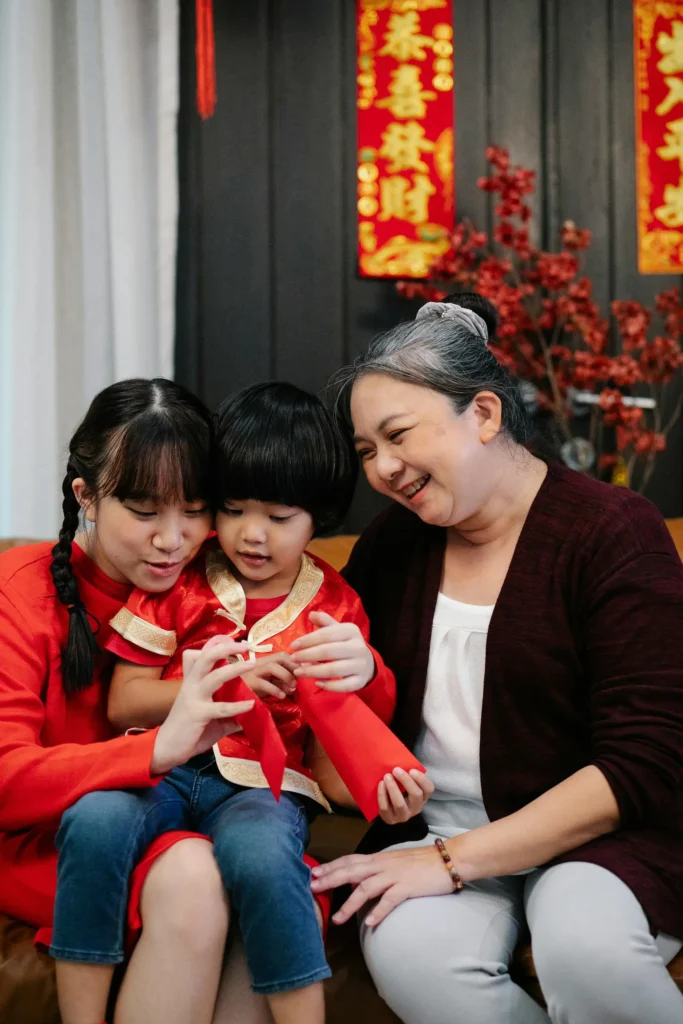
Chinese New Year is all about spending time with loved ones, reaffirming familial and social bonds – a positive factor in longevity. For a period of two to four weeks, people typically house hop, gathering over meals, snacking in between, and racking up late nights.
“The typical Chinese New Year pattern – late nights, frequent snacking, sugary drinks and heavier meals – briefly pushes the body into a more ‘pro-ageing’ state,” says Dr. Pang.
As with most things, this excessive, “high stress” routine is resettable if done in moderation, and with a clear strategy. But for some people, an exercise in moderation is a challenge.
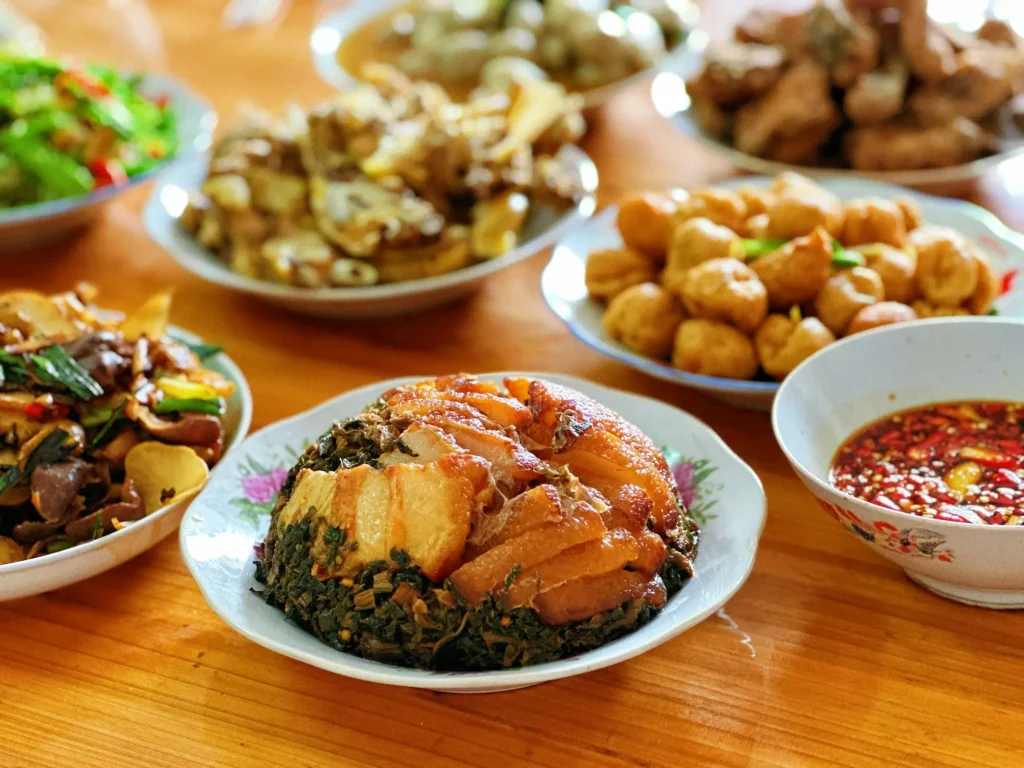
What happens when you gorge yourself on a heavy meal, paired with alcohol? Dr. Pang explains that it increases inflammation and oxidative stress, temporarily worsening blood vessel function and recovery.
If you’re house-hopping, you’re basically eating back-to-back meals. This, Dr. Pang says, can keep the amount of triglycerides (the most common type of fats in the body) in the blood longer, especially when rich foods or alcohol are involved. This adds further strain to the blood vessels and liver.
Dr. Lim adds that alcohol adds empty calories and can worsen glucose control, especially when paired with festive foods. It’s best to keep drinking to a minimum, she advises.
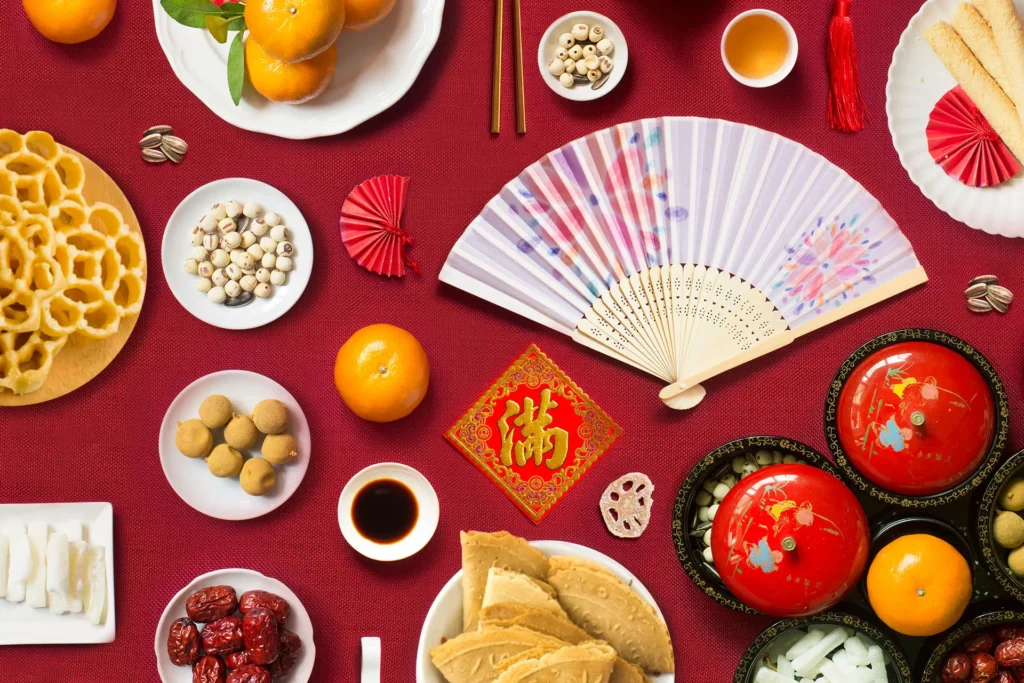
It’s common to graze on snacks as you go about your rounds of house visits. But, as Dr. Bhaskaran cautions, regular, repeated snacking can quickly exceed your daily calorie, sugar and sodium recommendations.
“The danger isn’t the snack table itself,” says Dr. Lim. “But how often and how mindlessly we eat from it. Many Chinese New Year snacks are refined carbohydrates, deep-fried, or high in sugar and saturated fat, which can push blood glucose and calories up very quickly.”
The key is mindful selection, Dr. Bhaskaran offers. “Small portions matter more than complete avoidance.”
As for the biggest hazards to your healthspan, Dr. Lim and Dr. Bhaskaran both point to the same handful of culprits: Pineapple tarts, love letters, nian gao (年糕), sweetened drinks and bak kwa (barbecued pork slices).
Pineapple tarts and love letters are both made from refined flour and sugar, while nian gao is made from glutinous rice. While delicious, they have very low satiety – meaning it’s all too easy to overconsume. These snacks tend to cause the sharpest glucose spikes.
A single serving of sweetened tea or cordial can contain four to eight or more teaspoons of sugar. “If someone visits four homes and accepts a sweetened drink at each, that can add up to 16 to 32 teaspoons of sugar in a single day – before factoring in desserts or snacks,” explains Dr. Lim.
In just a single day of house visits, you’ve already exceeded the World Health Organization (WHO)’s recommended daily limit of about six teaspoons of sugar. “Most people do not realise they are consuming two to four days’ worth of sugar in one day, mainly through drinks and repeated small desserts,” says Dr. Bhaskaran.
When it comes to bak kwa – which is energy-dense, and high in sugar and saturated fat – the key is portion size and frequency, suggests Dr. Lim. “A sensible portion is half a thin slice, eaten slowly, and ideally as part of a balanced meal rather than as a snack. Treat it as a highlight, not a free-flow item.”
That said, not all Chinese New Year snacks are equal. Baked nuts, roasted seeds, or homemade snacks with less sugar are generally better choices, offers Dr. Lim. Dr. Bhaskaran agrees, proposing plain roasted nuts such as almonds, pistachios and peanuts – which provide protein and healthy fats – as well as roasted sunflower or pumpkin seeds, preferably unsalted or lightly salted.
Time flies when you’re having fun. Before you know it, midnight strikes – but the party is still in full swing and shows no sign of slowing down. By the time you crawl into bed, it’s well past 3am. Your circadian rhythm has been disrupted, your cortisol (a major stress hormone) levels are elevated, your span of deep sleep is reduced, and your cellular repair processes are impaired.
“And,” Dr. Pang says, “less sleep further exacerbates our constant food cravings! Which results in constant snacking, keeping our insulin elevated and lowering autophagy (cellular clean-up).”
Yes, it’s a vicious cycle.
Late nights, frequent snacking, sugary drinks and heavier meals all have the potential to disrupt blood sugar, blood pressure, fluid balance, and sleep rhythms.
The good news is, most healthy people can rebound from this “high stress” state. However, the negative effects “are stronger in people who already have insulin resistance, fatty liver risk, high blood pressure, high cholesterol, or chronic inflammation,” explains Dr. Pang.
Older individuals should also exercise caution. “Physiologically, aging bodies have less metabolic flexibility. A few days of excess can translate into weeks of instability,” she adds.
According to Dr. Pang, even a few days of overindulgence – especially ultra-processed meals or those that are high-fat or high-sugar – can trigger inflammation and oxidative stress in the body. If you experience any of the following symptoms, you should probably consult your doctor.
Inflammatory flare-ups may show up as puffiness, joint stiffness, headaches, eczema breakouts, or a sensation of feeling “hot”.
But that’s just scratching the surface.
On a metabolic level, red flags can include energy crashes after your meals, stronger sugar cravings (especially at night), brain fog, irritability when meals are delayed, and increased bloating or drowsiness after eating.
Your sleep and stress response may also shift. You might find yourself waking up at 4am, feeling “wired but tired”, experiencing a higher resting heart rate, tension headaches (those that feel like you have a tight band wrapped around your head), and lower stress tolerance in general.
Meanwhile, cardiometabolic clues – such as tighter rings from fluid retention, palpitations after alcohol or heavy meals, or upward-trending blood pressure – should not be dismissed as temporary discomfort.
Lastly, pay attention to what your gut tells you. Acid reflux, constipation or diarrhoea and frequent mouth ulcers are indications of inflammation or an imbalance in your gut microbiome.
Here’s the good news: For most people, the excesses accumulated over Chinese New Year can be purged from your system once they return to their baseline habits.
Dr. Lim suggests doing a gentle reset rather than a full detox. “For the first three days after Chinese New Year, keep meals light – think salads, clear soups, and simple home-cooked dishes that focus on vegetables and lean protein such as fish, chicken, eggs, tofu or legumes,” she says.
And, “Keep carbohydrates modest and minimally processed, avoid sugary drinks and desserts, and prioritise hydration with plain water or unsweetened teas.”
During the holiday itself, there are eight (a lucky number) longevity habits you can inculcate to balance the festive overload – without dieting, counting calories, or being the wet blanket.
If you can, pick one gathering that matters most, and enjoy the festive foods then. For the rest of your meals, stick to a simple template of protein, vegetables and soup.
“A simple approach is to enjoy food in defined ‘time-windows’,” urges Dr. Pang. “Then switch to water/tea while having conversations or between house visits.” Dr. Bhaskaran echoes this ideal. “Practice mindful, slower meals, and prioritise conversation over constant eating,” she says.
Start with a palm-sized portion of protein, says Dr. Pang. “It blunts glucose spikes, reduces cravings, and helps you feel satisfied faster.”
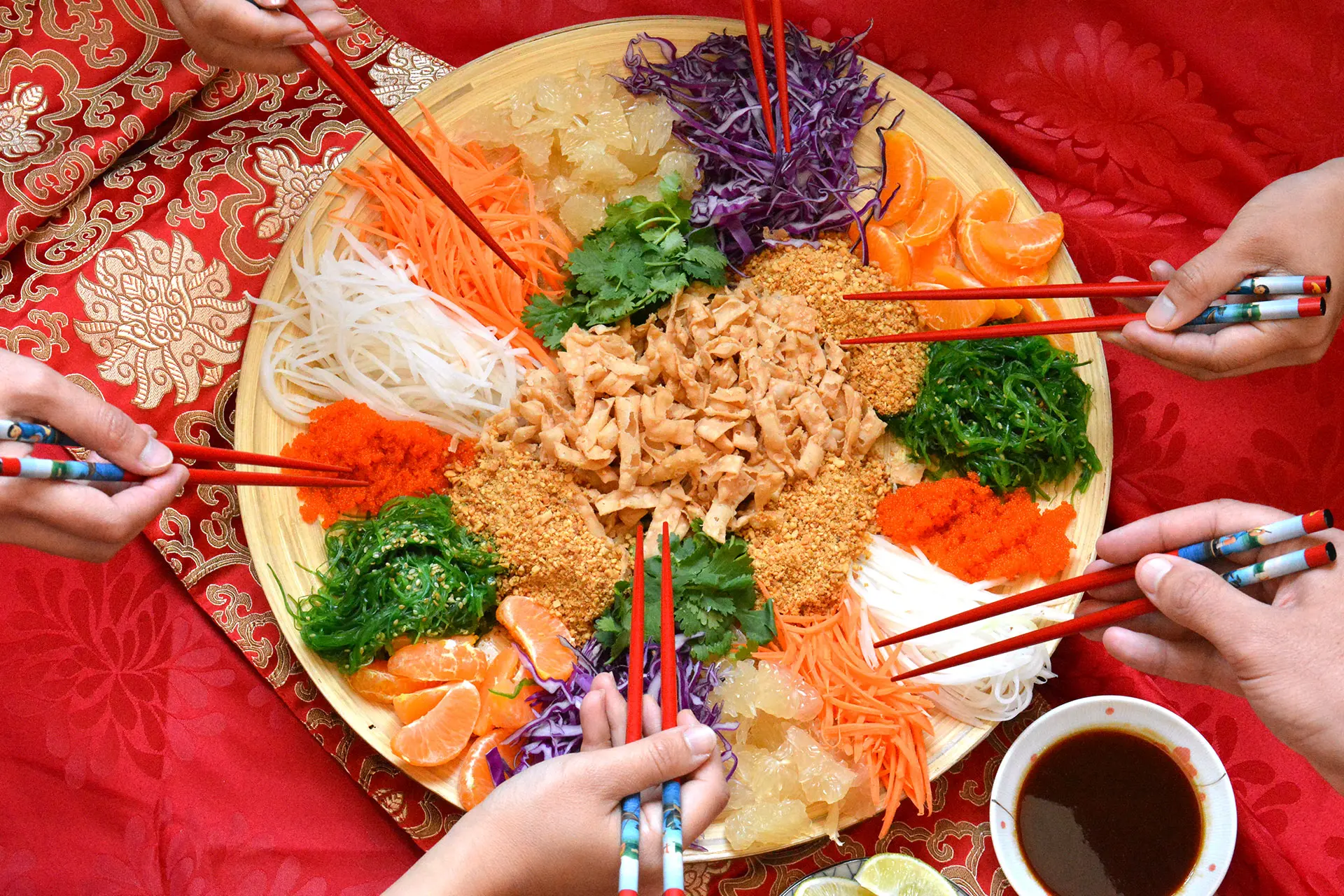
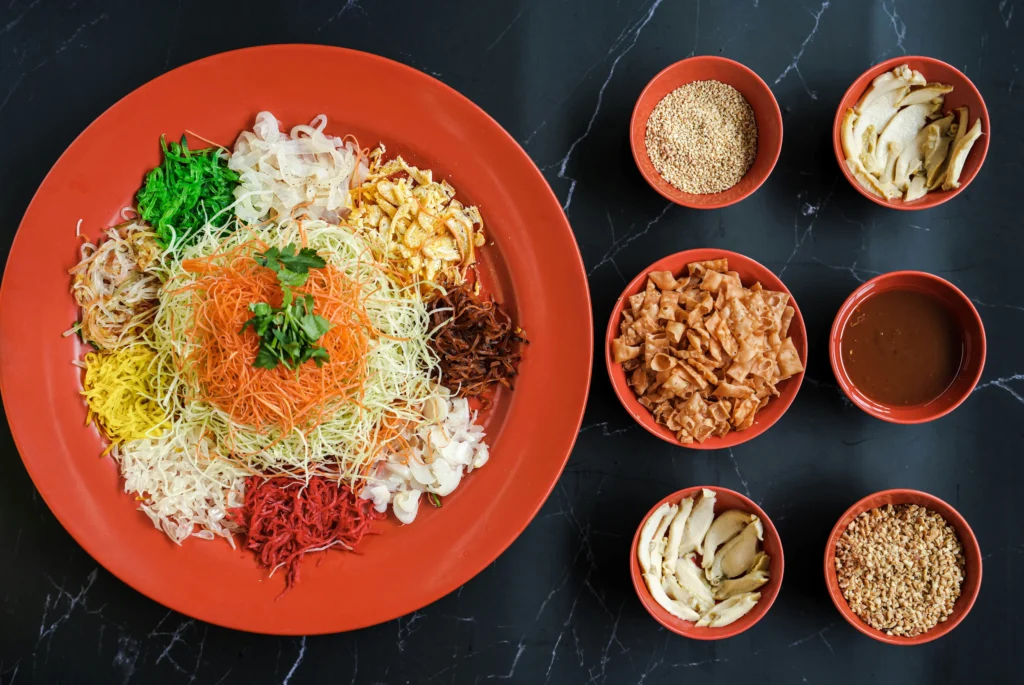
For yusheng, says Dr. Lim, focus first on the raw fish and/or seafood, or add proteins together with the shredded vegetables. Minimise eating the fried crackers where possible.
Similarly at reunion dinners or buffets, begin with dishes like steamed fish/seafood, chicken, tofu, eggs, followed by vegetables, and minimise the carbs. “This helps stabilise blood glucose, reduce overeating, and improves satiety.”
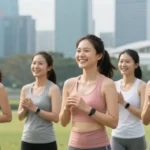
This, says Dr. Pang, is one of the most underrated longevity habits – a short post-meal walk improves glucose disposal immediately and reduces “food coma”.
Meanwhile, Dr. Lim suggests encouraging the entire family to go for post-meal walks to “align festive meaning with preventive healthcare”.
Between house visits, switch to water or unsweetened tea. It gives your insulin a break and protects digestion.
If you want to eat dessert, skip alcohol for the day (or vice versa). “Stacking sugar and alcohol is what really amplifies inflammation and sleep disruption,” explains Dr. Pang.
Even if you find yourself sleeping later, maintaining the same number of hours asleep is important. Try to get some morning light when you wake. This stabilises cravings, mood, and metabolism.
It’s simple, really. Keeping your movement up helps to burn those extra calories you’ve been consuming.
Aim to consume at least one fruit – such as berries, guavas and apples – and one high-fibre vegetable – such as leafy greens, lady’s fingers (okra) and mushrooms – daily. “Fibre buffers blood sugar levels and supports the microbiome,” explains Dr. Pang.