Popular Searches:
Recommended Posts



Search Results

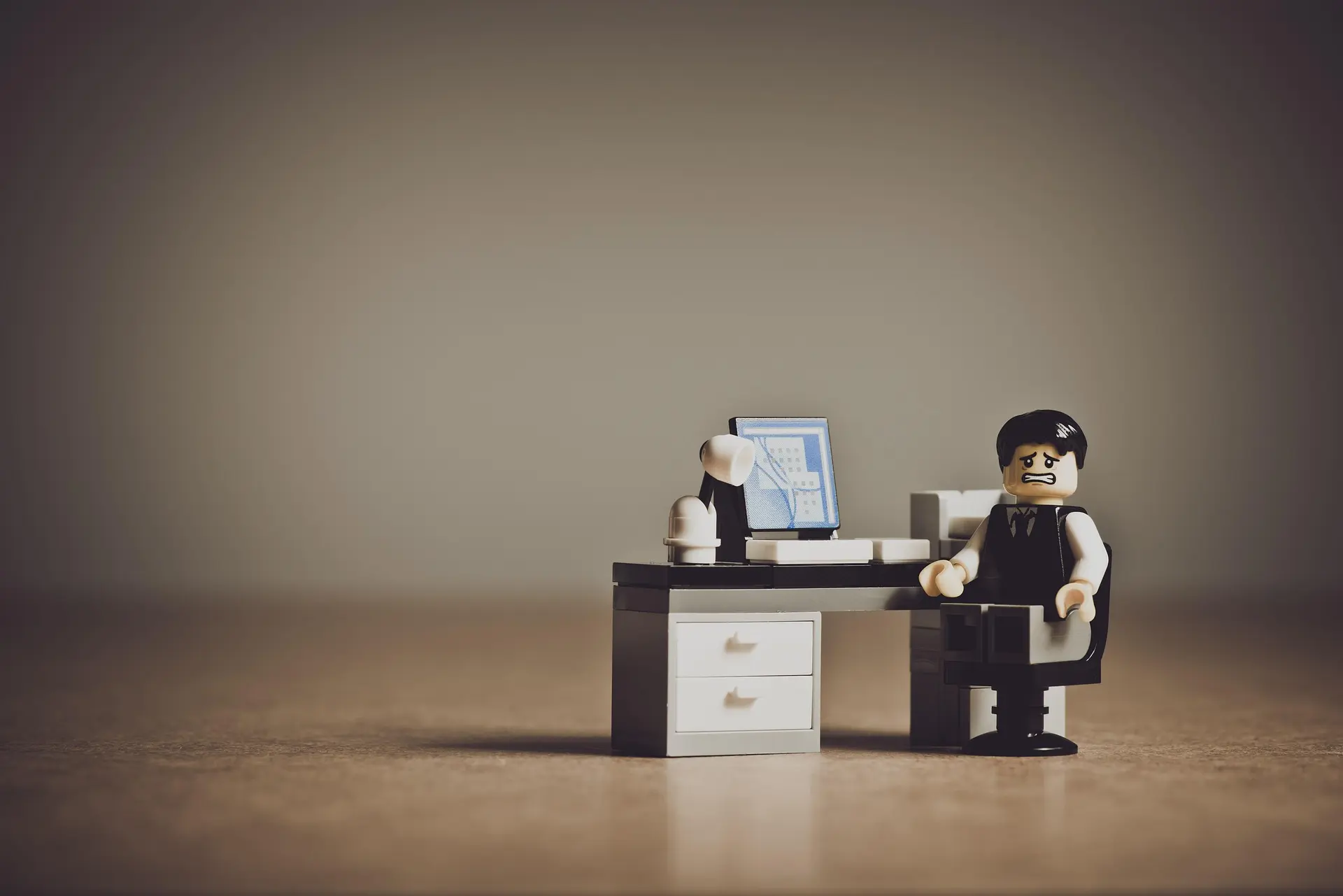
Many professionals face long hours in the office and the challenge of managing work, family and health. Here’s how to restore balance and boost your healthspan along the way.
Long hours at the office. Back-to-back meetings. Lunches wolfed down at your desk – while you’re still tweaking that presentation deck for your 2pm. Your neck is aching, your shoulders are sore, your lower back hurts, your hips are locked tight. Oh, and is that your anxiety-induced acid reflux acting up again?
These are all red flags that you’re suffering from Office Syndrome – the unofficial national condition of anyone chained to a desk from Raffles Place to One-North. And while these symptoms might sound trivial – normalised, even, given Singapore’s ultra-efficient, hyper-productive work culture – the truth is that your desk job might be quietly shaving years off your life. In other words, it’s negatively impacting your longevity.
“People think office syndrome is just tight shoulders or a stiff neck, but in reality it affects your energy levels, clarity, sleep, immune resilience, and long-term healthspan,” says Dr. David Lim, co-founder and director of Wellness for Life Chiropractic.
In his early 40s, Dr. Lim was balancing raising his daughter while running three busy Wellness for Life Chiropractic clinics. That period, he says, helped him understand firsthand what many professional working adults in Singapore face today – long hours at the desk, digital strain, and the challenge of managing work, family, and health.
“It also made me more aware of how common ‘Office Syndrome’ has become, and it continues to shape how I approach posture, spinal health, and practical lifestyle habits for my patients,” Dr. Lim adds.

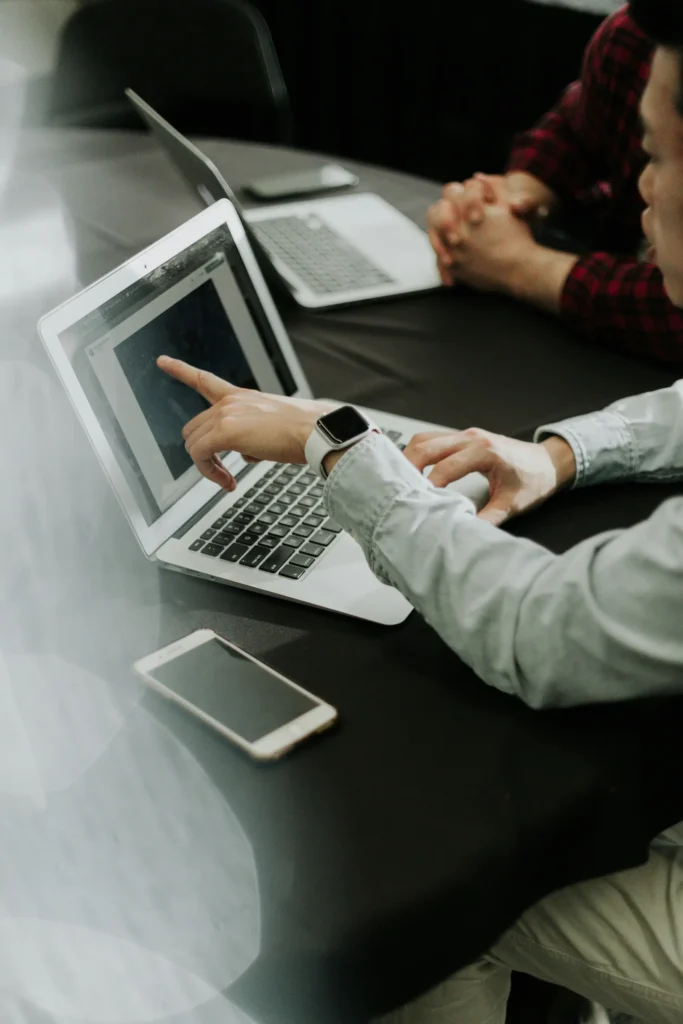
It’s all too easy to fall into the trap of Office Syndrome. It could be something as simple as being hunched over your mobile phone or laptop for long periods. That physical posture – head and neck angled downwards, shoulders forward, chest collapsed – actually reinforces a stress physiology.
This posture, combined with prolonged sitting, changes the mechanics of the spine. This, in turn, stresses the nervous system – the master control system of your entire body.
Dr. Sue-Anne Toh, co-founder of NOVI Health, a specialist metabolic health clinic, says that Office Syndrome causes detrimental effects to health in the long-term.
“Over the months and years, it remodels the body: Muscles weaken where they should be strong, tightness builds where mobility is needed, posture degrades, circulation slows and metabolic health shifts unfavourably,” Dr. Toh explains.
“That combination increases the risk of chronic conditions such as insulin resistance, higher cholesterol, poorer cardiovascular fitness, chronic neck and back pain, and earlier functional decline,” she adds.
In short, it’s a one-way ticket to a reduced healthspan. In this guide, we break down the science, strategies and signals you shouldn’t ignore:-
We’ve all been warned about the dangers of a sedentary lifestyle. Admittedly, it’s getting harder and harder to resist the temptations: Marathon PC-gaming sessions – “just one more round” with your online buddies – online shopping, and doomscrolling TikTok till your thumb cramps.
Add to that the ease of food or grocery delivery services, and you have a population that’s basically training for the Sitting Olympics. Singaporeans already top math and science olympiads; we might as well win medals for that other thing we’re good at – sitting.
The problem is, all that sitting leads to illnesses that are similar to many age-related diseases.
According to experts at NOVI Health, when we sit too much and move too little, our bodies start breaking down in predictable ways. Our muscles stop using sugar properly, our cells become less responsive to insulin, and low-level inflammation creeps in. Blood vessels get less healthy, fitness drops, and we slowly lose muscle strength.
All of these changes feed into each other – for example, inactive muscles don’t clear sugar well after meals, which raises insulin and inflammation, which then harms the heart and metabolism. These are the same underlying processes that drive many age-related diseases.
One way to tell if someone is suffering from Office Syndrome is if they show signs of being “Skinny Fat”. As Dr. Kyle Tan, co-founder of NOVI Health explains: “We are seeing the ‘Skinny Fat’ phenomenon – medically known as TOFI (Thin Outside, Fat Inside) – in professionals as young as their late 20s, a sign of Office Syndrome.
“They may have a normal weight, but their biomarkers tell a different story. The clearest warning signs are physical: A waist circumference creeping above 90cm for men or 80cm for women, and a body fat percentage exceeding 23 percent in men or 36 percent in women.”
These numbers, says Dr. Tan, indicate visceral fat wrapping around internal organs, and leads to insulin resistance and metabolic dysfunction, which may only be diagnosed a decade later.
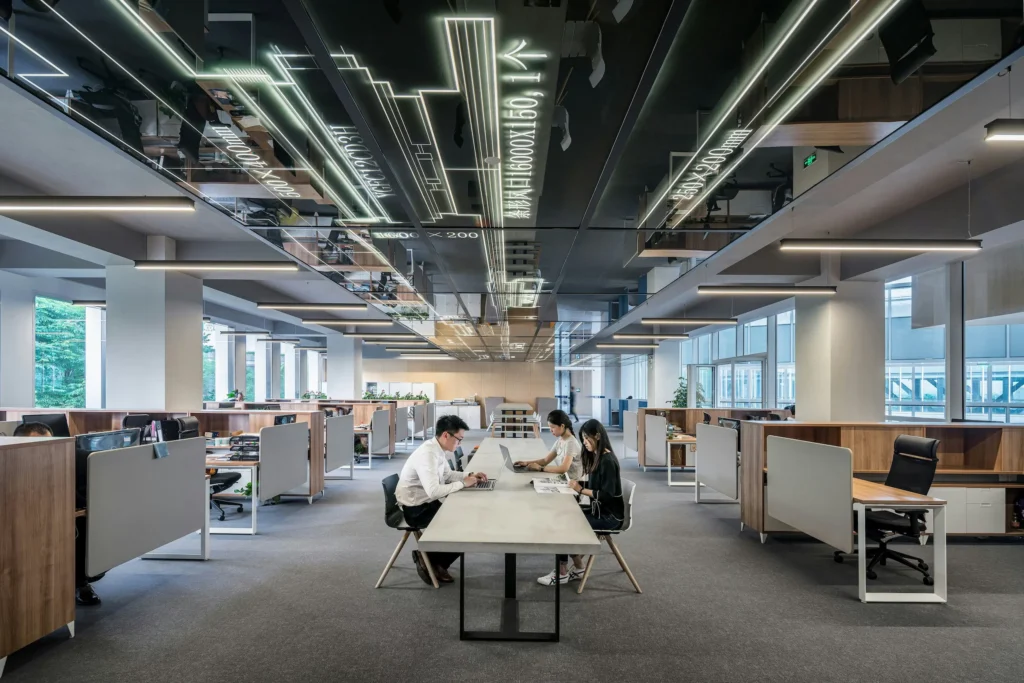
Here’s the thing. Singapore is famous (infamous?) for its intense work culture, long hours, and sky-high expectations. Back-to-back Zooms with barely a bathroom break? Pretty normal. But those long, uninterrupted deskbound stretches are exactly where the damage quietly piles up.
It’s like driving a luxury sedan through rough terrain over and over again – the poor car isn’t going to emerge in good condition. Similarly, the wear-and-tear on our bodies shows up earlier here than in many other countries.
On top of that, Singapore’s “always-on” mentality keeps our bodies in a constant state of tension. “Most people don’t realise how much stress they hold in their spine,” says Dr. Lim.
And it starts young. “Singaporean children spend more time indoors studying, using devices, and gaming than many of their global peers. Poor posture now starts at age six or seven instead of in adulthood. Many 13–16-year-olds already present with adult-level spinal issues,” Dr. Lim adds.
All this means spinal and nervous system stress kicks in earlier and, crucially, settles in deeper.
If you pair these with some of the most common chronic symptoms and illnesses in Singapore – such as chronic back or neck pain, depression, diabetes, heart disease, high cholesterol, hypertension, obesity and some cancers – the picture becomes clearer.
According to Drs. Toh and Tan, ultra-sedentary office habits intensify the risk of developing these conditions. “Singapore’s health surveys show persistent prevalence of diabetes and cardiometabolic risk, so office lifestyles add to an already important public health challenge,” they explain.
But fret not. Here’s what you can do to stem the tide.
The sweet spot is every 30 to 45 minutes – even if you’re “in the zone”, even if your boss loves meetings that could’ve been emails, even if you promise yourself to move later.
As Dr. Lim tells his patients: “Your spine doesn’t need a workout. It needs movement.” And that movement doesn’t have to be dramatic; you don’t need to be doing handstands or backflips. Examples of good breaks are:-
The idea is to interrupt the sustained sitting posture, which damages joints, discs and muscles over time.
For Dr. Tan, micro-habits – which can be stacked – are powerful. Think of it as akin to the power of compounding interest, only this is for your longevity. A favourite of his is the Soleus Push-Up:-
“It sounds trivial,” Dr. Tan says, “But studies show that this specific movement activates the soleus muscle [a major calf muscle that supports standing and walking] to burn blood glucose and fat for hours, even while seated.”
Three-hour team huddles? Psht. Townhalls that frequently run into overtime? You got this.
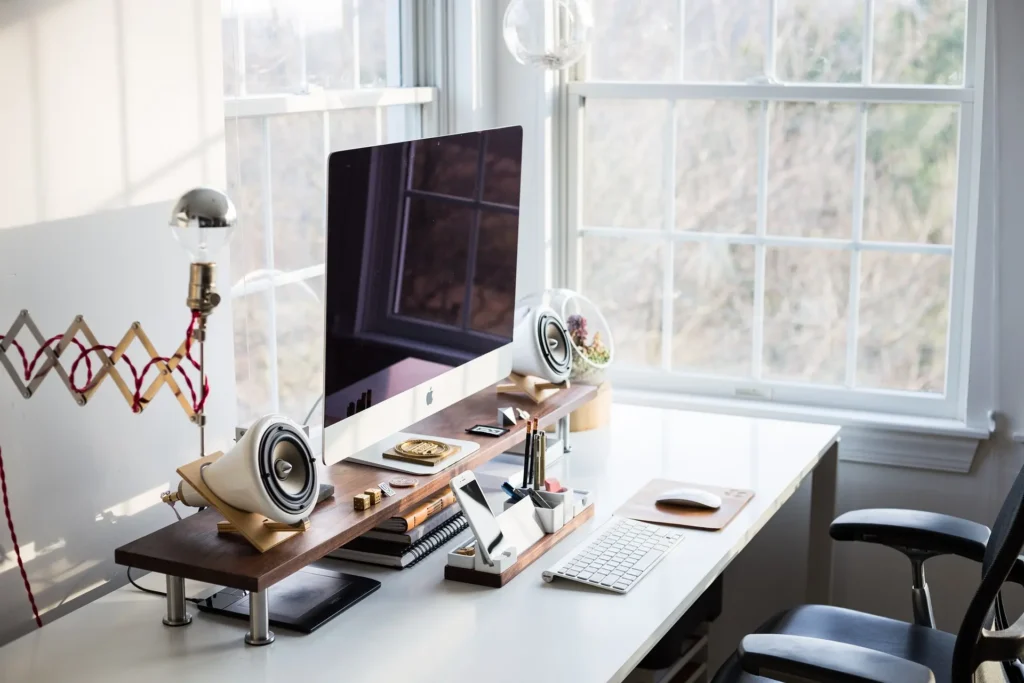
Regardless of whether you have a fixed workdesk or hotdesk, there is one golden rule when it comes to levelling up your setup: Keep your screen at eye level.
According to Dr. Lim, this single tweak prevents the dreaded forward-head posture, which is the root cause of neck pain and degeneration.
Next, rethink your throne. If you’re your own boss, and/or typically work at home, you don’t need to splurge on an overhyped ergonomic chair; you just need one that lets you sit with your sacrum (that’s the triangular bone at the base of your spine) slightly tilted.
When this happens, your core is engaged, and you actually train the muscles that keep you upright. Backrests, says Dr. Lim, are for short breaks, not full-time lounging. Finally, consider using an adjustable height desk. Here the point isn’t to stand all day, but to alternate positions throughout the day. Switching between sitting and standing reduces cumulative stress. Doing so keeps circulation flowing, your muscles engaged, and your spine moving – all good things that your future self will thank you for.

The short answer: No. Walking to the MRT, bus stop, carpark or your favourite cai fan, nasi padang or bowl food joint is useful – it’s great for circulation, mood, digestion and a general feeling of wellbeing.
But for actual longevity? And by this we mean metabolic, cardiovascular, and mitochondrial benefits, it’s not enough. “Walking is health maintenance, not health building,” maintains Dr. Lim. “To build longevity, you need intentional cardio and strength training.”
Remember: Cardio is what elevates your heart rate. It could be anything from brisk walking and stair climbing to cycling and swimming. The NOVI Health doctors recommend two- to three proper cardio sessions per week if possible. Meanwhile, strength training is the other secret sauce. Dr. Lim put it simply: “Muscle is longevity.” Think of muscles as the bodyguard/bouncer to your VIP self. “Strength protects your joints, boosts your metabolism, improves insulin sensitivity, and supports spine health,” he adds.

Then come the small-but-mighty lunchtime habits Dr. Tan swears by.
First, focus on hydration and protein consumption at lunch. “Drinking water and eating protein first acts as a metabolic buffer,” he maintains. This slows digestion, smooths out your glucose climb, and prevents the dreaded post-meal crash.
But in a city where the typical lunch culture is “chope seat, queue for food, inhale said food, then rush back to desk”, this simple suggestion requires a bit of forward planning. Here are three things you can do to make it easy:-
Dr. Tan’s second metabolic hack is the 10-minute post-meal walk. “Walking specifically within 30 minutes after eating uses the glucose entering your bloodstream as fuel for your muscles rather than storing it as fat,” he explains. It’s the single most effective, low-effort tool for glycemic control.
Don’t have the “luxury” of leaving the office? Take your calls standing, pace the room like you’re a world-famous detective solving a mystery, or wander between departments “checking in”. “It’s not just walking,” says Dr. Tan. “It’s active metabolic management.”
Actually… If you can peel yourself from bed in the early hours of the morning, the air can be cool enough for a comfortable cardio workout. And… There are affordable gym options – just use Google or ask ChatGPT.
If daylight hours are the only time you have for cardio, Dr. Tan suggests doing a brisk walk in an air-conditioned mall – yes, like the mall-walkers of America – keeping your heart rate at 60–70 percent of your maximum. This still trains your mitochondria (those tiny engines that power your cells) without giving you heatstroke. For strength training, Dr. Tan swears by one simple tool: A resistance band that you can stash at your desk or at home. Ten minutes of rows and presses creates enough mechanical tension your muscles need to stay strong, he says.
If you’re short on time but hungry for results, consider a four-minute Tabata session, which you can do at home. “Just 20 seconds of intense effort (like burpees or high knees) followed by 10 seconds of rest, repeated eight times, can improve VO₂ max as effectively as 30 minutes of steady cardio,” he explains.
Dr. Toh echoes this pragmatic spirit. “The most cost-effective options are bodyweight strength training (squats, lunges, push-ups, planks), brisk walking, stair climbing, short high-intensity interval circuits, and resistance bands,” she says.
It’s not about how fancy the gym equipment is; what matters most is a progressive overload for strength training twice a week, and clocking 150 minutes (2.5 hours) of moderate or 75 minutes (1 hour and 15 minutes) of vigorous activity overall. “Consistency beats complexity,” she says.
We get it: When you’re done for the day, you’re not really done for the day, are you? At least not until your head hits the pillow. You’ve got kids to attend to, elders to take care of, clients to entertain, and maybe even your own side hustle to keep things interesting. Who even has time to splurge in the gym?
Well. Dr. Lim has a solution to that. “Movement doesn’t have to be a separate activity,” he counsels. “It can be woven into daily life.” So, instead of carving out an hour you never had, sprinkle activity into the pockets of your day. Dr. Lim suggests:-
Essentially, the idea is to introduce mobility into daily routines. Even tiny moments morning and night keep your joints lubricated and your body humming.