Popular Searches:
Recommended Posts


Search Results

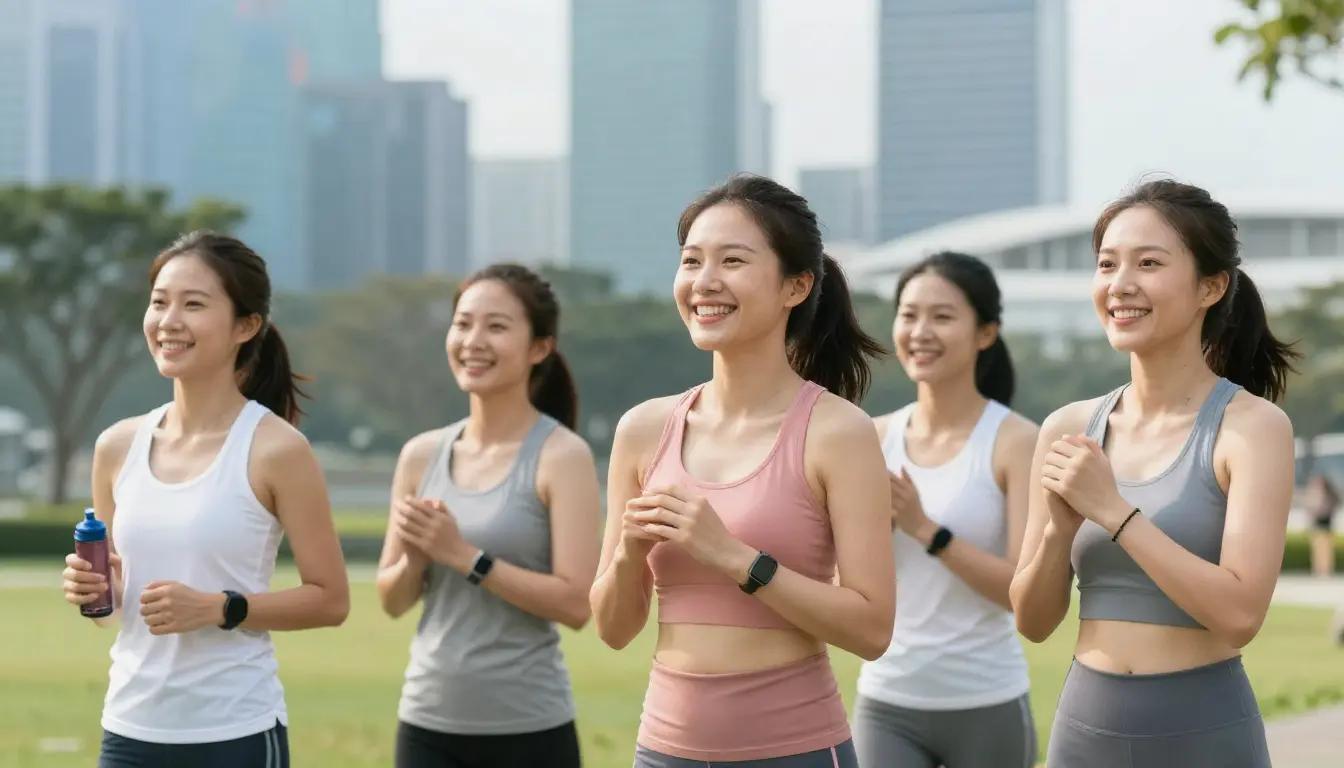
Women in Singapore consistently outlive men, but many spend almost 10 years in poorer health, with chronic diseases, muscle loss and hidden health risks among the chief culprits. Here, experts unpack the factors affecting female aging, and what women can do to age better
On paper, it would seem that women in Singapore are winning the longevity race. According to the latest data, women live to an average of 85.6 years, compared to 81.2 years for men. But – and this is a big but – those extra years do not always translate to a life free of health issues.
In fact, the opposite is true: Women spend nearly a decade – 9.7 years – in poorer health, compared to 7.3 years for men. By poorer health we mean disease, disability, and general physical decline.
It’s a paradox that doctors, researchers and policymakers are increasingly concerned with.
But why does the paradox even exist? And, more importantly, can women do something about it earlier in life to prevent the onset of poorer health in their twilight years?
To better understand the forces at work behind women’s healthspans – from cardiometabolic diseases to muscle loss and chronic stress – we tapped the expertise of four professionals operating on the frontlines of preventive healthcare.
From the outset, it appears straightforward: Women have the upper hand when it comes to lifespan. Across the world, women consistently outlive men. But biology is just part of the bigger picture.
“In women, the silent killer is cardiometabolic disease,” says geriatrician and longevity researcher Professor Andrea Maier, referring to a cluster of conditions that involve blood pressure, cholesterol and metabolic health that quietly accumulate over time. “One out of three women has hyperlipidaemia – high lipid levels in the blood – and hypertension.”
Cardiometabolic risks often increase during the hormonal upheaval of middle age. And when women hit menopause, estrogen levels decline sharply, triggering an onslaught of effects throughout the body.
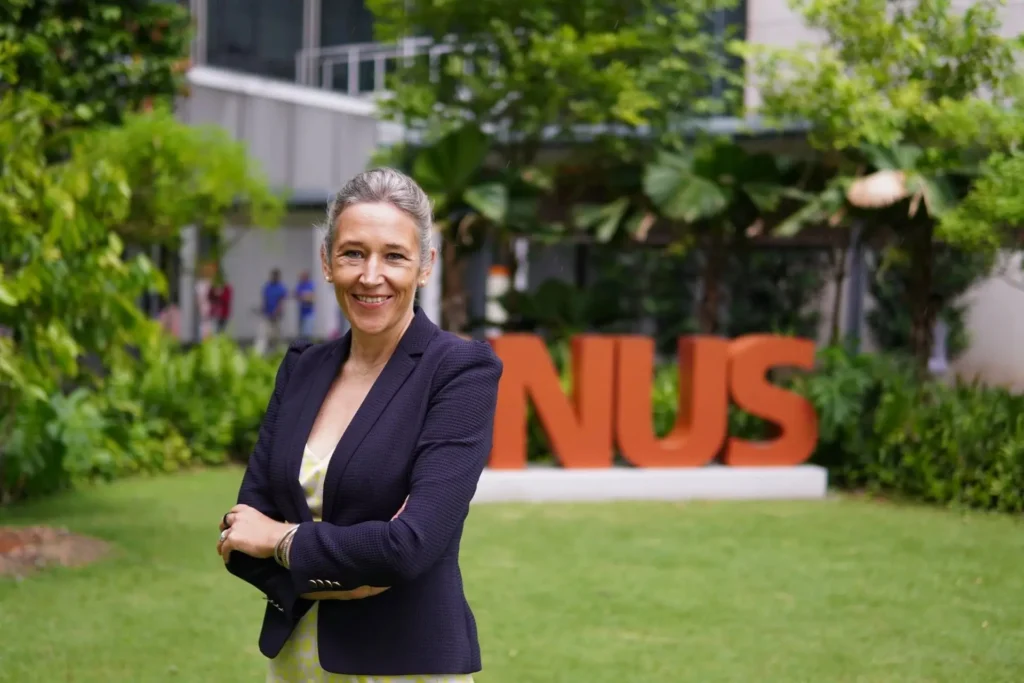
“Already when you are in your 40s, you have much, much less estrogen and progesterone, but there are receptors everywhere in the body needing these hormones,” explains Maier, who is co-director of the NUS Academy of Healthy Longevity, and one of the world’s foremost experts on geroscience (the science of aging).
Without these hormones, several physiological changes begin happening at the same time: Fat distribution shifts, muscle mass declines, and inflammation increases.
“Menopause leads to the accumulation of visceral fat – fat around the organs – and that drives inflammation,” says Maier. “And inflammation is never good.”
The result? A deluge of age-related conditions that often emerge quietly, before becoming clinically obvious. In other words, you may not notice these changes until a health scan picks it up – and then it might be too late.
As lifespan – or life expectancy – rises, more women live long enough to reach the age when many cancers become more common.
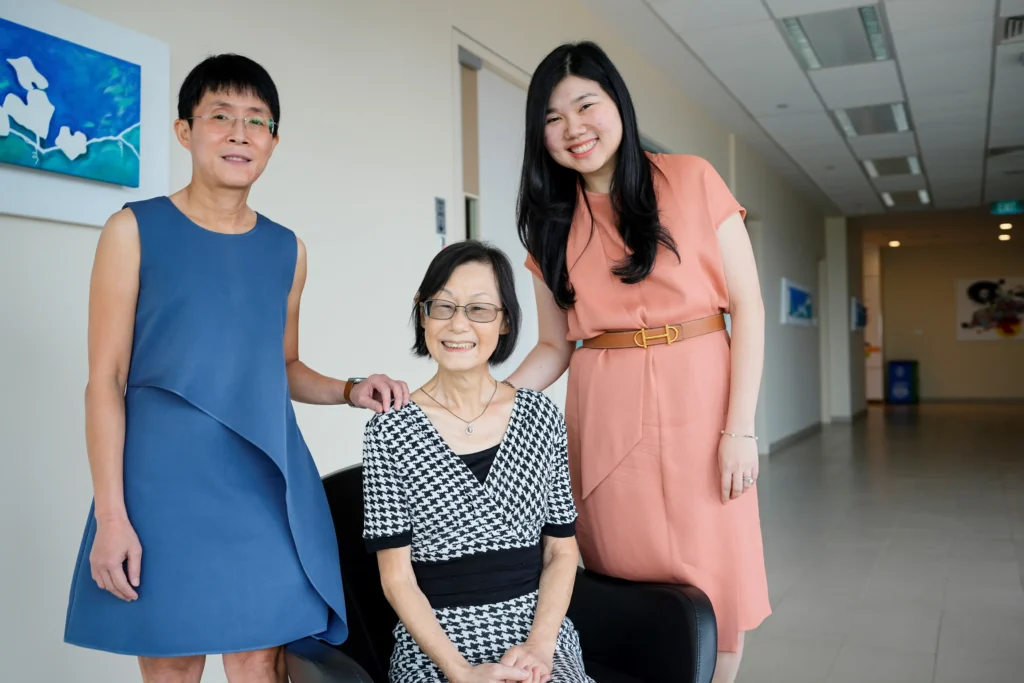
“Cancer risk increases with age because DNA damage accumulates over time, and the body’s repair and immune surveillance mechanisms become less efficient,” explains oncologist Professor Lee Soo Chin.
In Singapore, Lee adds, the leading cancers diagnosed in women are breast cancer, followed by colorectal and lung cancer.
And while stories of young cancer patients sometimes hog the headlines, cancer remains predominantly a disease of aging, maintains Lee, head and senior consultant in the Department of Haematology-Oncology at the National University Cancer Institute, Singapore. “The majority of cases occur in mid-life and older age groups… [only about] five to ten percent of female cancer patients are under the age of 40,” she notes.
In spite of campaigns driven by statutory boards and non-profits, such as the Health Promotion Board (HPB) and Singapore Cancer Society (SCS), not enough women are active in screening.
According to Lee, only about 35 per cent of eligible women aged 50 to 69 go for regular mammograms, while cervical and colorectal cancer screening rates are below 45 per cent.
Part of the problem could lie in the misconception that maintaining a healthy lifestyle is enough to thwart the risk of cancer. Debunking this myth, Lee offers: “A healthy lifestyle significantly reduces risk, but it does not eliminate it. Screening is designed to detect cancers early, even in women who do everything right.”
What exactly counts for a healthy lifestyle? For Lee, this means not smoking, limiting alcohol intake, maintaining a healthy weight, staying physically active, and receiving human papillomavirus (HPV) vaccination. The earlier these habits are adopted, the better. “Healthy behaviours in [your] 20s and 30s have long-term impact on cancer risk,” she says.
On the upside, those that are diligent enough to go for screenings benefit from early detection. In fact, the rate of early detection from screenings has improved significantly.
“The proportion of breast cancers diagnosed at Stage 1 increased from about 33 per cent between 2008 and 2012, to more than 57 per cent between 2018 and 2022,” says Lee. That’s an impressive 24 per cent spike.
If cancer is one visible outcome of aging, then another unfolds more quietly: The gradual loss of muscle and bone strength.
“Why do you need muscles?” asks Professor Maier rhetorically. “You need muscles to stay upright, to breathe, to do everything.”
For both sexes, muscle mass declines naturally with age. But for women, the drop can be especially significant. “You lose roughly six to 10 per cent of muscle mass each decade,” Maier explains. “So if you start with only a little bit of muscle, then you won’t have much reserves.”
Strength and conditioning coach Jing Zhi Chua, who works with many older clients, observes the consequences first-hand.
“Women are more susceptible to osteoarthritis and osteoporosis after menopause,” says the founder of ALLSET, a health and wellness company specialising in healthy aging. More than 90 per cent of his clients are above the age of 50.
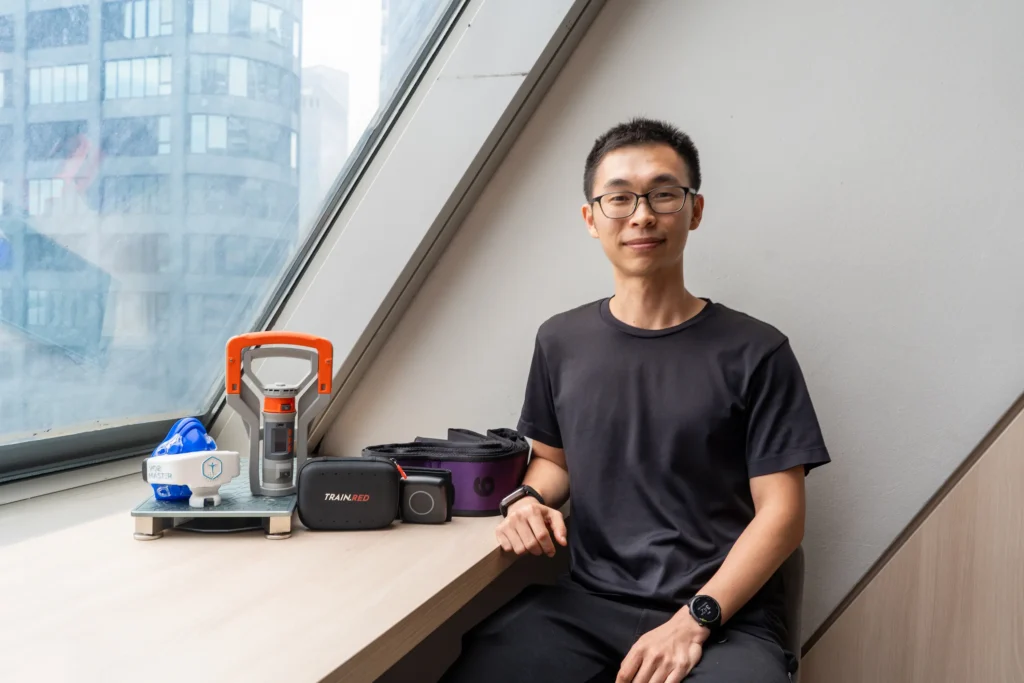
“For most women, the first noticeable decline occurs somewhere between their forties and fifties, depending on their level of conditioning,” Chua says. “A sharper decline occurs around their sixties and seventies.”
The result is that women often experience reduced physical capacity in their senior years, more so than men. But by then, rebuilding strength becomes far more difficult.
“Meaningfully improving strength and metabolic health becomes increasingly challenging between the mid-sixties and mid-seventies,” notes Chua.
The solution is deceptively simple: Start training earlier, and train harder.
Chua offers: “Exercises such as heavy resistance training and plyometrics have a bone-building effect.” But, “The exercise needs to place sufficient stress on the bones.” In other words, resistance training with weights that are too light will not be effective in preventing fractures.
Apart from physical decline, emotional and psychological strain accumulated over the years can also leave lasting biological scars – without you realising it.
Certified life and team coach Dr. Jade Kua frequently sees high-performing women whose outward success masks deep exhaustion. Dr. Kua, who runs Jade Life and Wellness Coaching, is also a pediatric emergency specialist.
“Yes,” she says, when asked if she encounters clients who appear successful but whose bodies are quietly breaking down. “They complain of irritability and poor concentration. Over time, [their] relationships fray.”
Eventually, the symptoms of burnout become patently obvious. “When there are clear physical signs like weight loss or hair loss, they’re pretty burnt out.”
But how does chronic stress accelerate biological aging? Elevated stress hormones trigger inflammation, disrupt the body’s immune system – making it more susceptible to illnesses – and wear down the body’s resilience over time.
For Dr. Kua, how we age is ultimately a matter of choice – despite external factors. “Some of these choices are easier if we have prepared earlier.” That preparation might mean inculcating good habits from a young age: Maintaining a balanced, nutrient-rich diet, keeping up a consistent exercise regime, or cultivating intellectual curiosity.
Her definition of longevity isn’t about the number of years lived: “Longevity… involves living well, so we can enjoy meaningful relationships.” Her own longevity journey sees her do “fun yet challenging things” in the name of physical and intellectual conditioning.
“Sports like scuba diving and skiing, but also reading the newspapers in Chinese or watching a film in French without subtitles.”
If there’s a single lesson to be learnt from the experts we spoke to, it’s that aging is cumulative. Choices made in one’s youth reverberate decades later, impacting everything from cardiovascular health and cognitive resilience to bone density and muscle strength.
And if there’s one aspect of health that women tend to underestimate, it’s muscle. Muscles support metabolic health, protects joints, regulates hormones and maintains mobility. Without it, even mundane tasks like walking, climbing stairs or breathing efficiently become more difficult.
As Chua puts it simply, “Muscle is biological insurance.” Because when the unexpected happens, such as a fall, illness or surgery, the body’s underlying strength determines how well – and how fast – it recovers.
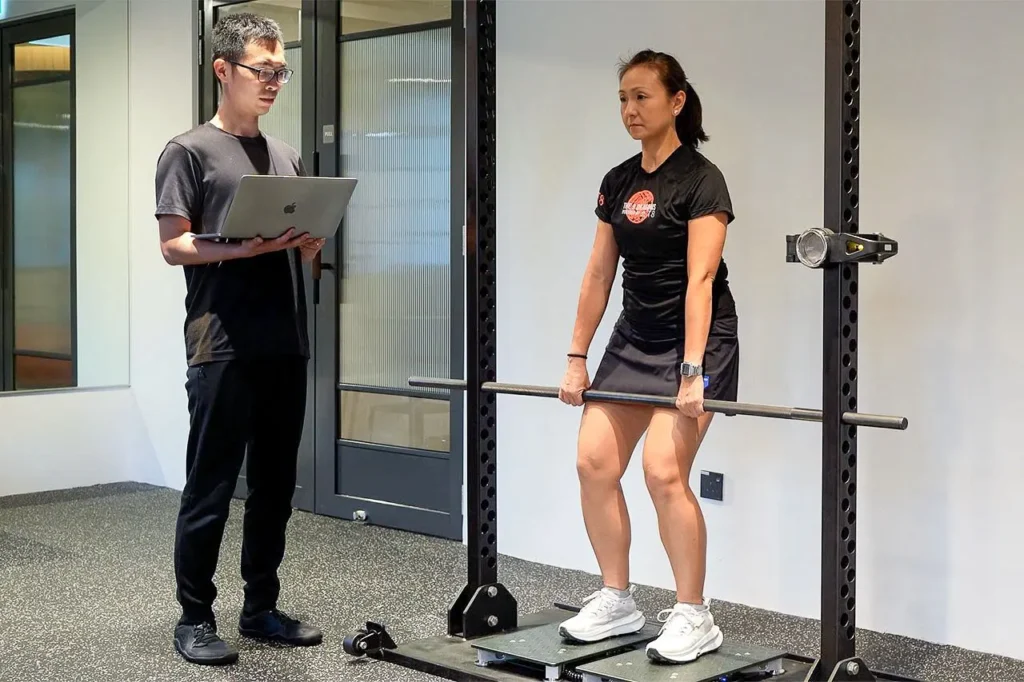
The good news is that you don’t have to achieve bodybuilder levels of muscle mass to age well. The goal isn’t perfection; it’s building up reserves.
But what about those without access to health clubs, or are struggling with time management and work/life commitments? “You don’t have to go to the gym to lift heavy weights,” Maier offers. “Even using your own body weight – doing planks, push-ups – two or three times a week can make a difference.”
Women have already achieved an extraordinary milestone: They are living longer than ever before. The challenge now is to ensure that those extra years are lived in strength, independence, and fulfilment.