Popular Searches:
Recommended Posts

Search Results
From high VO₂ Max to sustained muscle mass, the global fitness phenomenon actually mirrors the science of aging well – and it’s giving peak longevity vibes to those chasing a longer, stronger life
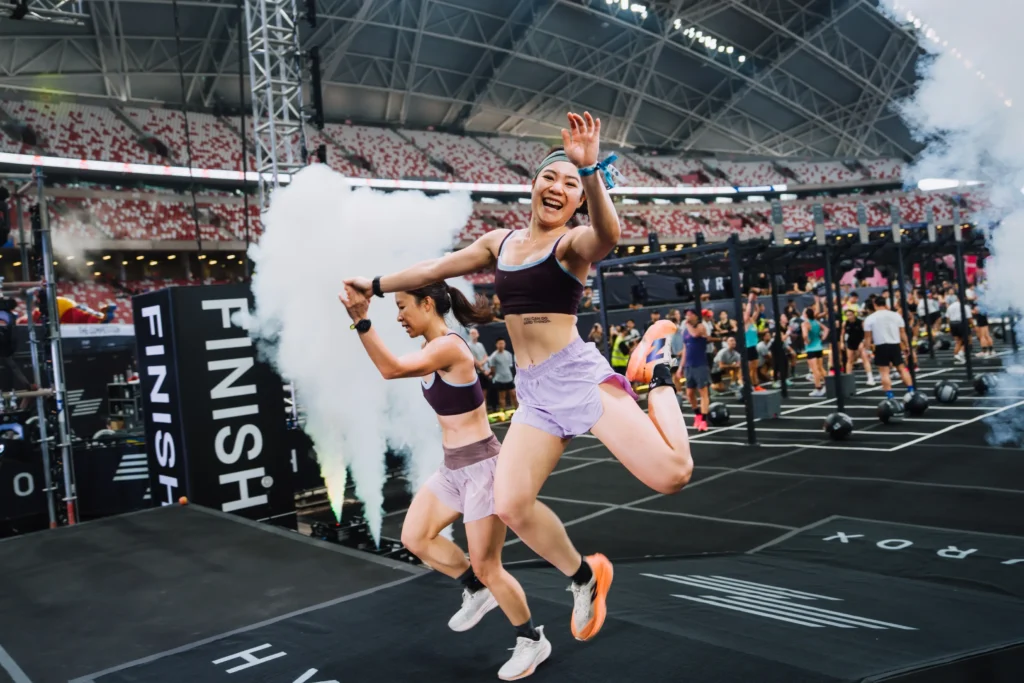
At any given moment, a quick scroll through your socials will likely show a friend, colleague, or associate sweat-soaked and triumphant, at a HYROX somewhere in Asia. For some folks, it’s a weekend challenge. For others, it’s become their entire personality – and they’re not afraid to acknowledge it.
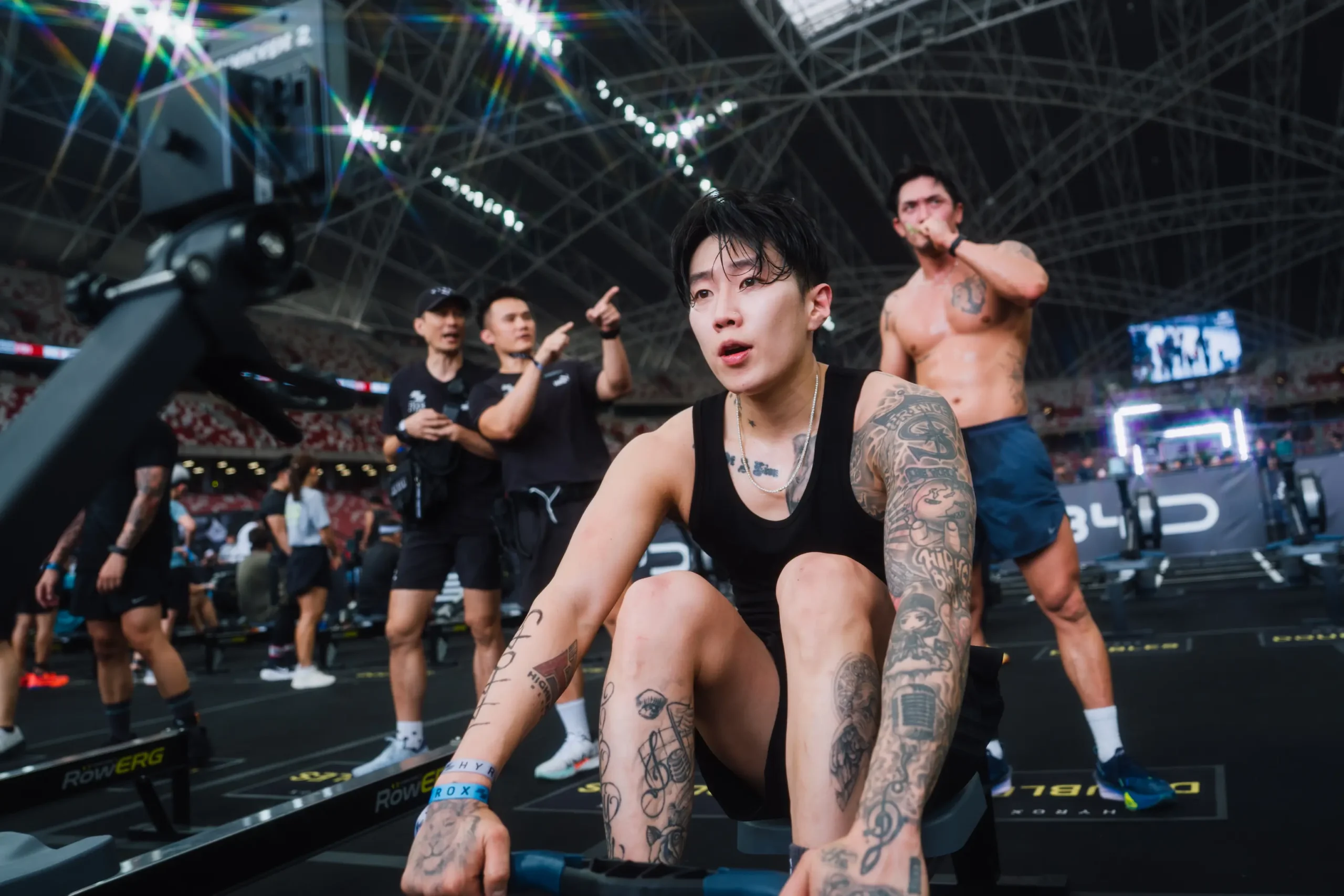
Indeed, HYROX’s almost cult-like community has fuelled explosive growth across Asia. Bangkok recently hosted the region’s largest race to date, with 18,000 participants. Singapore saw 14,500 competitors descend on its National Stadium for its first three-day edition in April.
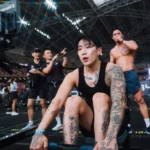
Among the contestants in Singapore? Pop stars like Jay Park and Choi Min-ho of SHINee, as well as celebrity athletes Amotti and Hong Beom-seok. And with new locations like Jakarta (June 2026) and Kuala Lumpur (December 2026) on the horizon, HYROX shows no signs of slowing down.
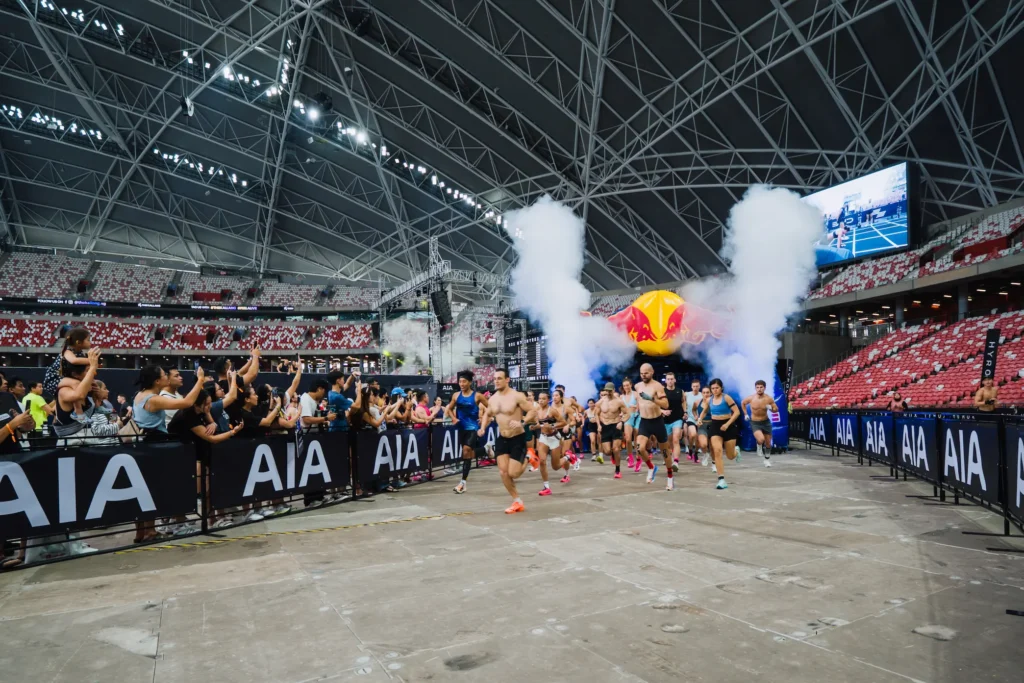
Dr. Egwin Yeo, Scientific Lead at Alpha Vitality, attributes HYROX’s popularity to a number of reasons. “A big part of HYROX’s appeal is the sense of community it creates. These races are tough, but when you go through that challenge together, you form real bonds.”
He adds: “There’s a biochemical aspect too; you’re getting that oxytocin release from shared effort. And when you achieve something like a podium finish, it becomes a deeply meaningful milestone – something you can genuinely tick off your bucket list.”
Founded by German nationals Christian Toetzke and Moritz Fürste in 2017, HYROX was conceived as a mass-participation fitness race. The beauty was that it was inclusive, meant to be accessible to both elite athletes and everyday fitness enthusiasts.
Its formula was – and is – deceptively simple: Eight 1km runs interspersed with eight functional workout stations. These are: SkiErg, Sled Push, Sled Pull, Burpee Broad Jumps, Rowing, Farmers Carry, Sandbag Lunges, and Wall Balls, in that order.
Standardising the race also meant that it could be scaled globally. Wherever participants competed, the format remained the same, so they could benchmark their performance across cities and continents. And a growing number of participants are doing just that: Designing their own HYROX circuits across Asia and beyond.
But that’s another story for another day. Because while it’s not always explicitly framed this way, there’s actually a strong connection between HYROX and longevity – and that’s our topic of discussion for today.
At its core, HYROX blends aerobic endurance, functional strength, and high-intensity effort, in a format that alternates between the three. This combination aligns closely with what longevity research has been advocating for years: Strong cardiovascular fitness, muscle mass that provides both strength and power for functional movements and short bursts, and metabolic flexibility.
In other words, the exact physical capacities that will allow people to live longer and better lives.
This overlap is beginning to be explored in sports science circles as well. A 2025 study – the first of its kind on HYROX – by researchers at the University of the Bundeswehr Munich, titled Acute physiological responses and performance determinants in Hyrox©, offered a glimpse into how the sport stresses and strengthens the body.
Conducted on a cohort of 11 recreational HYROX athletes, the study found that HYROX demands a hybrid training approach that combines moderate- to high-intensity endurance workouts with full-body resistance training.
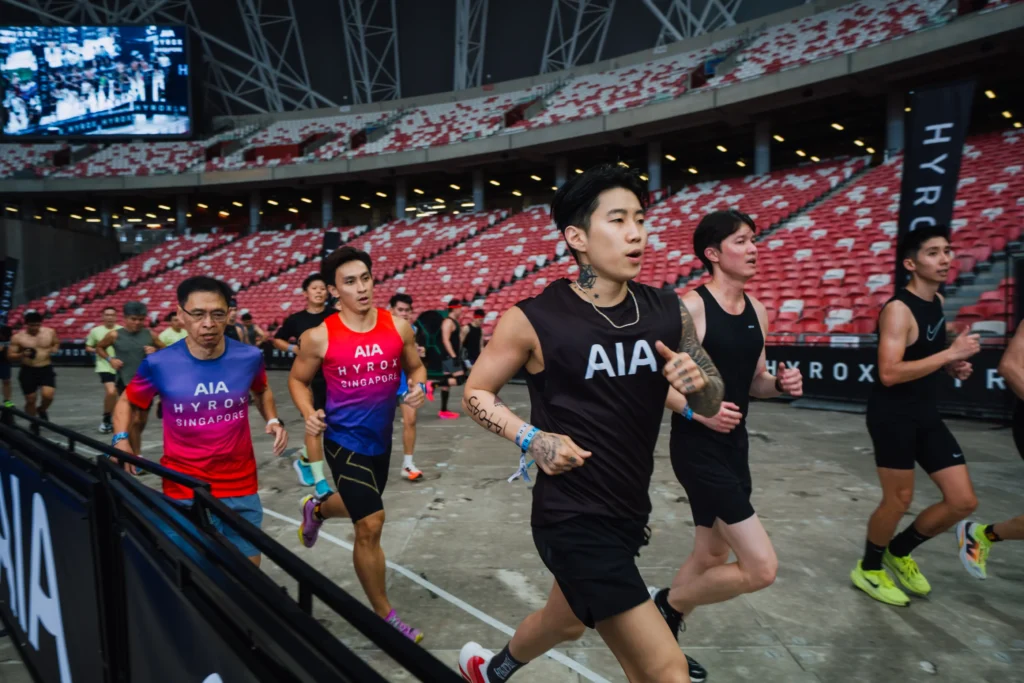
Crucially, this mirrored the physical activity guidelines set forth by the World Health Organization (WHO), which recommend both aerobic and strength-based exercises for optimal health. The researchers also pointed to parallels with high-intensity functional training (HIFT), a modality already shown to improve body composition, musculoskeletal strength, and cardiovascular fitness.
In that sense, HYROX may serve as an efficient, all-in-one model for meeting – and sustaining – these benchmarks.
Beyond physiology, the study also hinted at something less tangible but equally important: Adherence. Like CrossFit, HYROX appears to tap into intrinsic motivators such as enjoyment, challenge, and social affiliation. With multiple race divisions catering to different fitness levels, it lowers the barrier to entry while maintaining a sense of competition and progression – two factors strongly linked to long-term consistency in exercise habits.
That consistency, as any longevity expert – such as Dr. Yeo of Alpha Vitality, a premium longevity centre in Singapore – will tell you, is everything.
“Ultimately, when we talk about ageing, we’re really talking about the capacity you’re able to build and maintain over time,” he says. “One of the most important markers we look at is VO₂ max, which reflects your cardiorespiratory fitness. If that’s at a good level, it’s a strong indicator of overall health and longevity.”
HYROX’s emphasis on sled work, carries, and lunges also targets something equally critical: Strength and power.
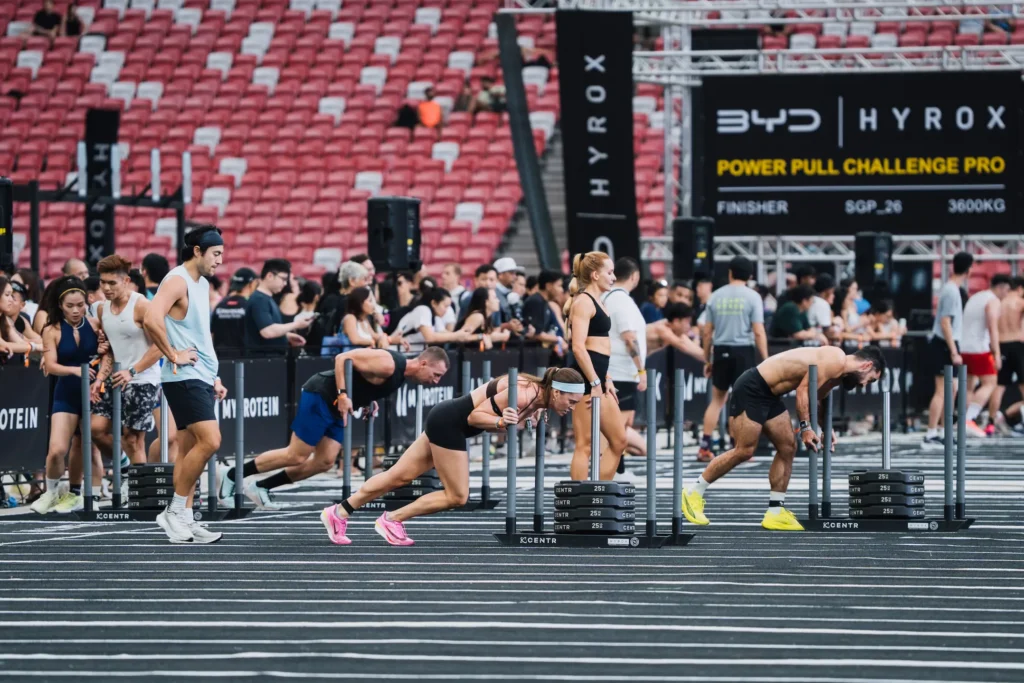
“As we age, strength and power are what give us independence,” Dr. Yeo explains. “HYROX incorporates lower-body explosiveness, pushing and pulling movements, and even grip strength through carries. These are exactly the components that support muscular strength and functional power – both of which are essential for maintaining quality of life in later years.”
Then there’s the metabolic dimension. The alternating pattern of running and resistance stations forces the body to constantly switch gears, improving its ability to utilise energy efficiently across different intensities. Over time, this builds what experts call metabolic resilience – a key factor in reducing the risk of chronic diseases.
For all its physiological benefits, HYROX’s most underrated contribution to longevity may lie in something far more human: Connection.
“Social health is a critical pillar of longevity, but it’s often overlooked,” says Dr. Yeo. “When you train or compete with others, there’s a shared experience, whether it’s pushing through a tough workout or celebrating a milestone. That sense of connection motivates you, but it also builds emotional and mental resilience.”
He points out that while digital interactions have their place, they cannot fully replace real-world engagement. “We are inherently social beings. Physical interaction – training alongside someone, encouraging each other, sharing ups and downs – creates a different level of connection. It challenges you cognitively and emotionally, and that contributes to overall resilience.”
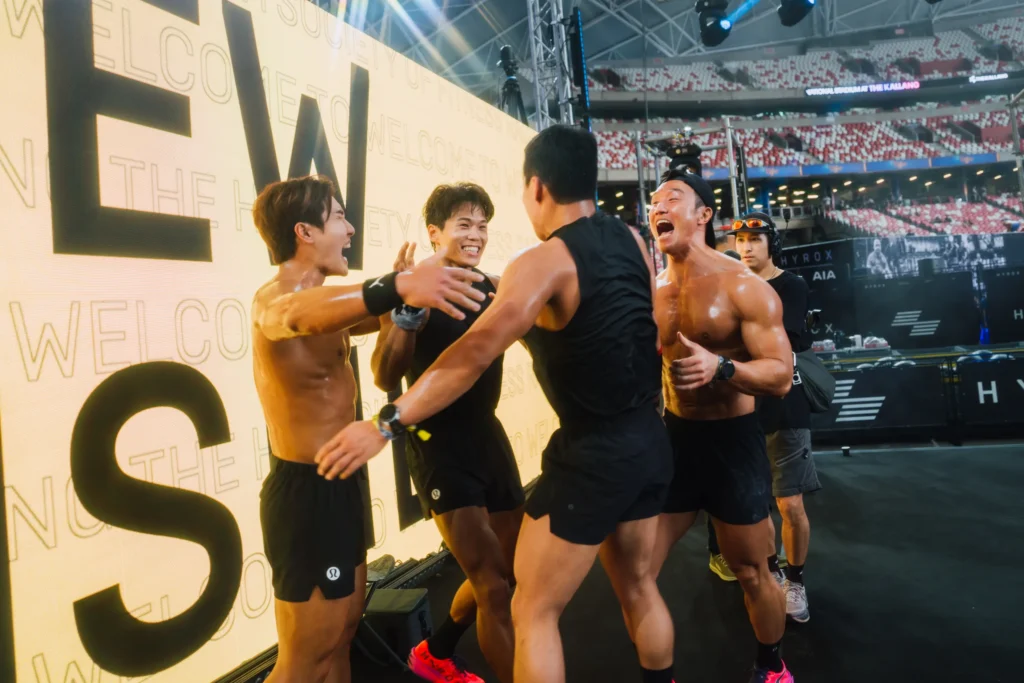
Dr Yeo also highlights other examples of social fitness trends, such as CrossFit gyms, run clubs and spin classes. All of these encourage regular training, foster community, and reward progression. The energy is collective, contagious, and, increasingly, habitual.
And that may be the real secret. Because when exercise becomes something you want to show up for – something tied to identity, friendship, and shared goals – it stops being a chore and starts becoming a lifestyle.
One that, quite possibly, your future self will thank you for.
But can training for, or regularly competing in, HYROX actually slow aspects of biological ageing? For now, the science is still catching up. HYROX is a relatively young sport (just nine years old!), and the broader longevity space is itself still evolving.
Yet, ask those within the ecosystem, and there’s a growing sense that the correlation is real – even if it hasn’t quite entered the mainstream conversation.
“We absolutely see ourselves as part of that longevity conversation,” says Richard Cowley, HYROX’s Head of Operations, APAC. “At the end of the day, we’re a sport, like a marathon. It’s something you can keep doing throughout your life; there’s no fixed age where you have to stop.”
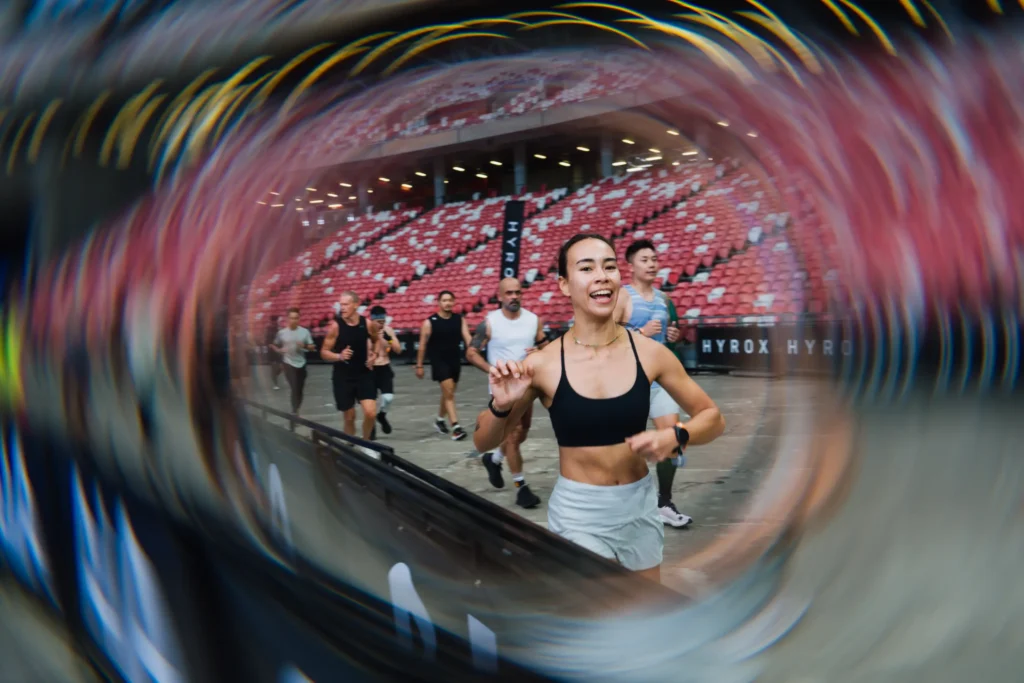
That inclusivity is reflected on the competition floor. In recent years, HYROX has seen participants well into their seventies and eighties, such as 71-year-old Singaporean athlete Jumahat Wari.
The appeal, Cowley suggests, lies in its balance. “The whole concept is that you’re working every muscle group. You’re combining cardio and strength, rather than focusing on just one. That’s what makes it such a complete test, and, arguably, such a sustainable one.”
Still, he is quick to acknowledge that longevity isn’t yet a headline narrative within the community. “There’s not much data around it yet. It’s still a young sport. But any form of exercise is beneficial, whether it’s HYROX or even just a walk in the park. It’s always going to be better than being sedentary.”
What keeps people coming back, Cowley says, is community, echoing what the 2025 study and Dr. Yeo suggested.
“It becomes part of your daily life, your community. One gym from Hong Kong brought 70 members to the Bangkok race. They flew together, stayed in the same hotel, spent the whole day together, and watched each other race. They have a WhatsApp group chat to discuss their results. That sense of belonging is a huge part of why it sticks.”
With its spirit of inclusivity, HYROX has increasingly drawn participants from all walks of life, including those who have had to rebuild their bodies from the ground up.
Take Bryan Wong, a former Singapore national athlete who now serves as Director of Sales and Community at Alpha Vitality. After suffering spinal fractures in his L4 and L5 vertebrae in 2016, Wong spent over a year in rehabilitation, unable to sit for extended periods, let alone train at a competitive level.
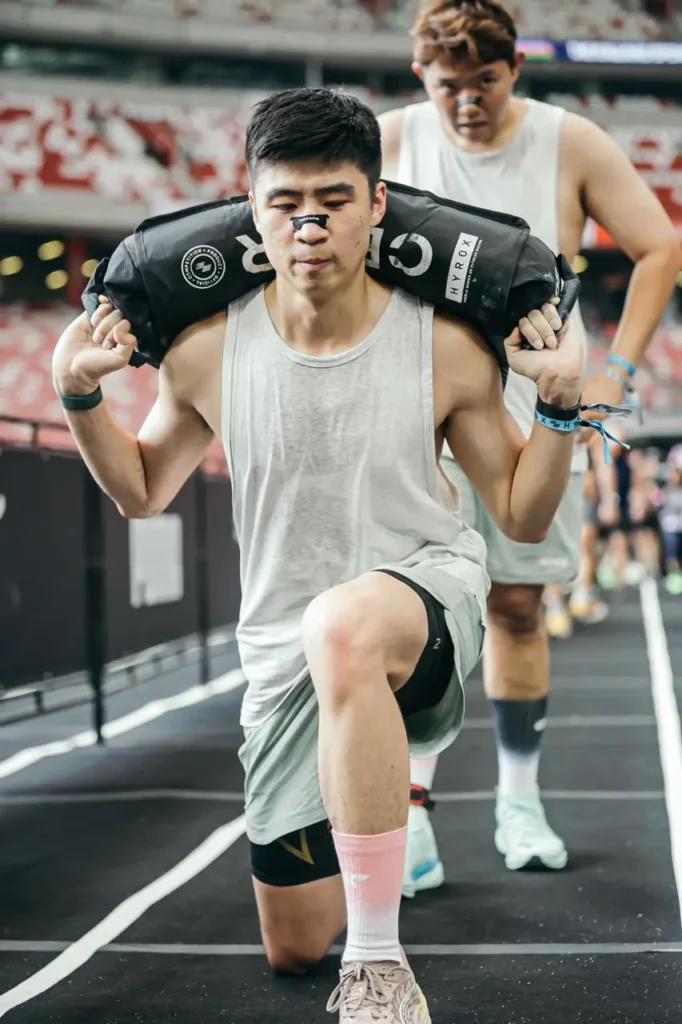
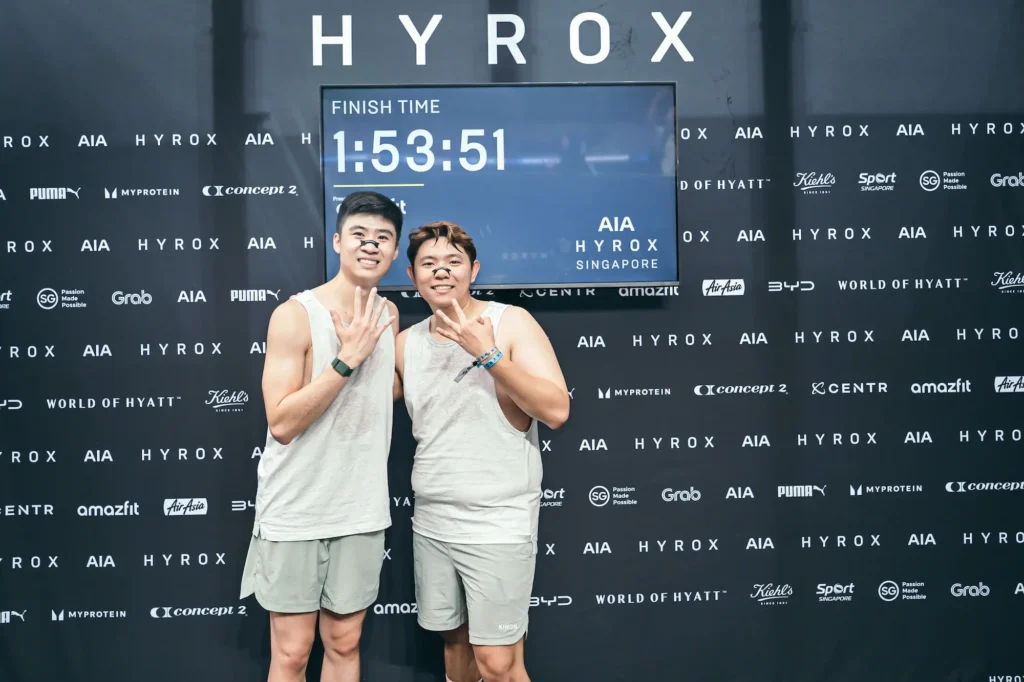
The road back was slow and deliberate, defined by physiotherapy and incremental progress. Yet in April 2026, the ex-high jumper returned to competition, completing HYROX with a timing of 1 hour 53 minutes alongside a friend – just shy of their 1 hour 45 minute goal.
For Wong, the appeal of HYROX lies in its alignment with key markers of long-term health – something he has become deeply passionate about. As he shared on Instagram in 2025, “What started as a devastating end to my sporting career – two spine fractures – became the catalyst for something far greater. It led me deep into the world of longevity and human performance.”
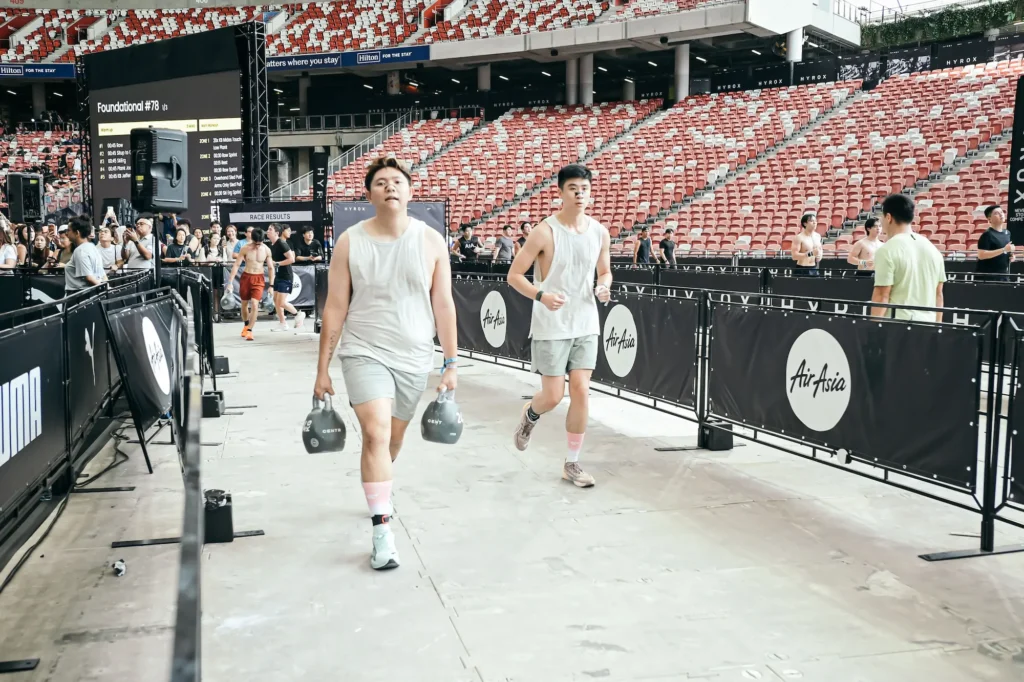
That journey has since come full circle, from being “a guinea pig for recovery” to helping build Alpha Vitality into a longevity hub that supports CEOs, athletes, and other high-performers in taking control of their health before it’s too late.
“With HYROX, you’re looking at things like VO₂ Max from the running component, and even grip strength from stations like the farmers carry, both of which are strongly linked to longevity,” he notes. “So you can already see the correlations.”
Just as importantly, Wong sees the sport as highly adaptable. “A lot of the movements are functional – things you actually need in everyday life. And it’s surprisingly accessible. My training partner started with no background at all; within six weeks, he improved his pace significantly, lost weight, and maintained muscle mass. That’s exactly what you want for sustainable health.”
For those looking to age well – whether or not a HYROX race is on the horizon – both Wong and Dr. Yeo suggest borrowing from its training philosophy.