Popular Searches:
Recommended Posts



Search Results

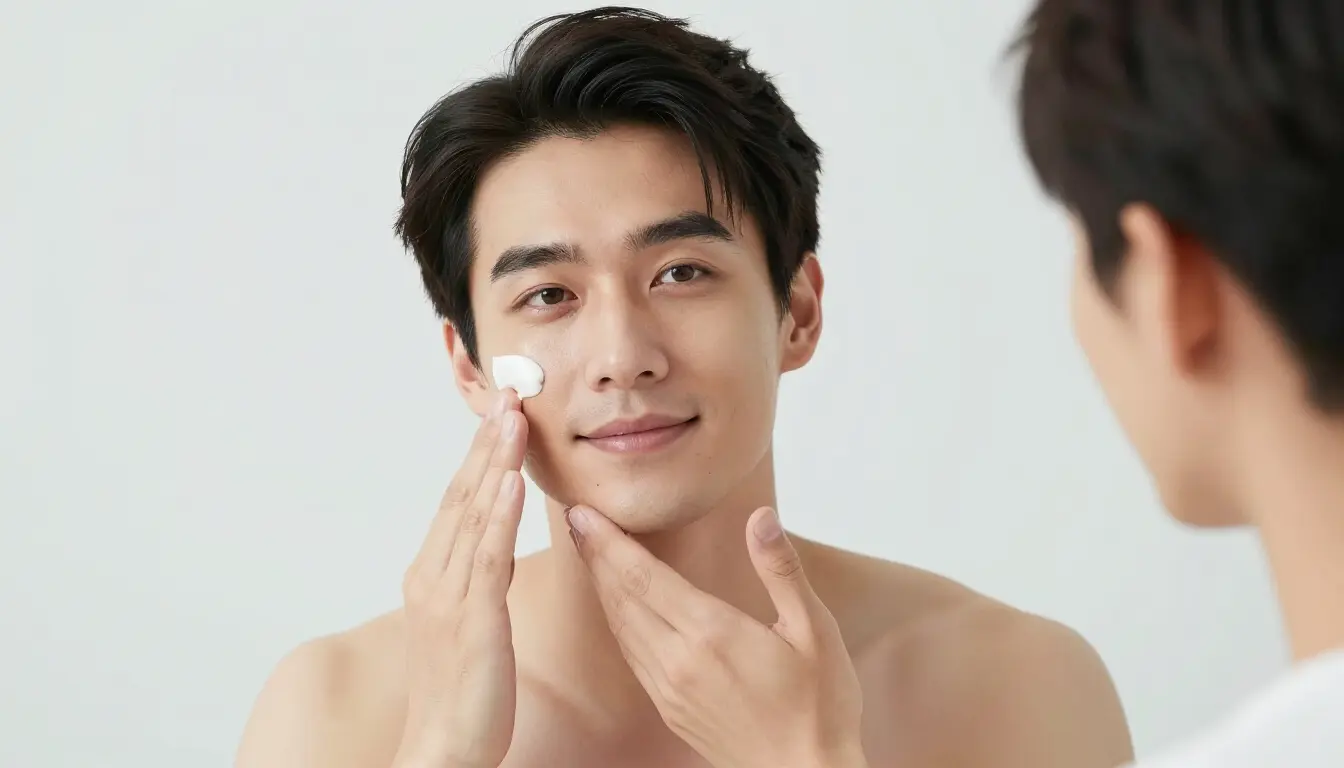
Dermatologists in Singapore say that protecting your skin barrier goes more than skin deep
You might not realise this, but protecting your skin is actually protecting your future self.
What do we mean? Well, for years, we as consumers were told that skincare was about looking and feeling good. Giving yourself a glow-up was the end goal.
Plot twist: Skincare isn’t just an aesthetic or cosmetic concern. Your skin is often the first place that aging shows up. Or, as a longevity specialist would put it, skin is one of the earliest biomarkers of systemic stress.
Early onset of fine lines. Dullness. Dehydration. Pigmentation. Changes in skin texture. These aren’t just your regular “getting older” moments; they’re surface-level signals of deeper biological aging. Think collagen loss, chronic inflammation, hormonal shifts, oxidative stress, and mitochondrial slowdown.
As dermatologist Dr. Angeline Yong, Founder of Angeline Yong Dermatology & SSKINS Medispa in Singapore notes, “Most early aging changes are skin-deep and lifestyle/UV-related – but rapid changes in skin sensitivity, healing, hair shedding, or persistent inflammation can be the skin’s way of reflecting systemic stress.”

The red flag, she says, is new and persistent changes, especially when combined with symptoms like fatigue, weight change, or menstrual changes.
Here is where the science of longevity shifts the playing field. Dermatologists and longevity specialists are increasingly of the opinion that the better you preserve the skin barrier, maintain collagen, and reduce UV-induced damage, you’re not just “anti-aging” but potentially lowering your biological age.
Dr. Yong explains: “Skin is your largest barrier organ. Keeping the barrier healthy (especially in dry, eczema-prone, or older skin) helps reduce chronic irritation, micro-inflammation, and infection risk.”
UV protection is the clearest longevity-adjacent link, Dr. Yong adds. “Daily sunscreen and sun avoidance reduce cumulative UV damage, which is strongly tied to skin cancers and also drives visible photoaging.”
In a city that’s tropical and sun-drenched but also permanently air-conditioned and high-achieving, Singapore makes for an excellent case study in modern skin aging. For those who consider the Little Red Dot home – yes, you high-functioning executive who tracks your steps, macros and quarterly KPIs, but who hasn’t given your SPF the same level of commitment – consider this a gentle nudge.


Singapore sits just one degree north of the equator, which means that the UV exposure here isn’t seasonal, it’s relentless. Yet many of us don’t think we’re particularly sun-exposed. Yes, we’re mostly under shelter all day – homes, offices, malls, cars – and not lying on Tanjong Beach, but that assumption is slightly dangerous.
Dr. Yong points out that sun exposure is often underestimated. “Even if people don’t sunbathe, daily incidental UV from commuting, walking between buildings, and driving can add up. This tends to show up as pigmentation, uneven tone, and early textural change, sometimes earlier than expected.”
Yes, even the school drop-off, the Grab ride to work, that five-minute walk to lunch – little by little, UV accumulates.
According to Dr. Kok Wai Leong, a Singapore-based dermatologist and skin cancer specialist from the Dermatology Collective Clinic & Surgery, sun safety awareness, too, has historically lagged. “In general, sun safety awareness is lacking in Singapore,” he maintains. “Having said that, I do notice that this is improving, especially in the younger population.”

It’s encouraging, but we’re not quite there yet. A bigger concern is our screening culture – or lack thereof. “The concept of skin cancer screening or regular skin checks with a dermatologist is still not prevalent, nor is it commonly offered as part of routine health screening. This has to change, so that we can detect skin cancer early and treat it early.”
The data supports that urgency. “Singapore’s UV exposure is a major risk factor for skin related changes due to long-term exposure to sunlight. If we look at data on skin cancer rates in Singapore, analyses show long-term increases in skin cancer incidence over decades, particularly basal cell carcinoma (BCC).”
For corporate warriors who clock serious hours indoors and think they’re immune, think again.
“First, many people think that you do not need to apply sunscreen if you are indoors,” Dr. Kok explains. “[But] UV-A can penetrate windows, and there is low-level UV exposure from fluorescent lighting as well.” Dr. Kok adds that standard glass windows filter UV-B rays (the kind that causes sunburn), but they do not block out UV-A – the rays responsible for collagen breakdown and long-term photoageing. “Therefore, you can imagine that if you are working at a desk beside a window, you can be exposed to UV-A without showing signs of ‘sunburn’.”

So what does a simple, realistic, prevention-first “skin longevity protocol” look like in a tropical climate like ours?
Firstly, sunscreen should be a staple of everyone’s skincare routine, says Dr. Kok. Apply a broad spectrum sunscreen (one that protects the skin from both UV-A and UV-B) daily. This is still the most evidence-backed preventive step.
The benefits are manifold: It reduces cumulative UV damage, helps prevent photoageing, and lowers the risk of UV-related skin cancers.
If you are outdoors, reapply regularly and use a broad-brimmed hat and sunglasses.
Dr. Kok explains: “Many people do not re-apply sunscreen and think that once-daily application is enough to last the day. Often, we sweat in humid Singapore, coupled with friction and outdoor exposure, it is important to re-apply throughout the day for more comprehensive coverage.”
Don’t forget your hands and neck, which are commonly neglected areas that are also susceptible to ageing and sun damage.
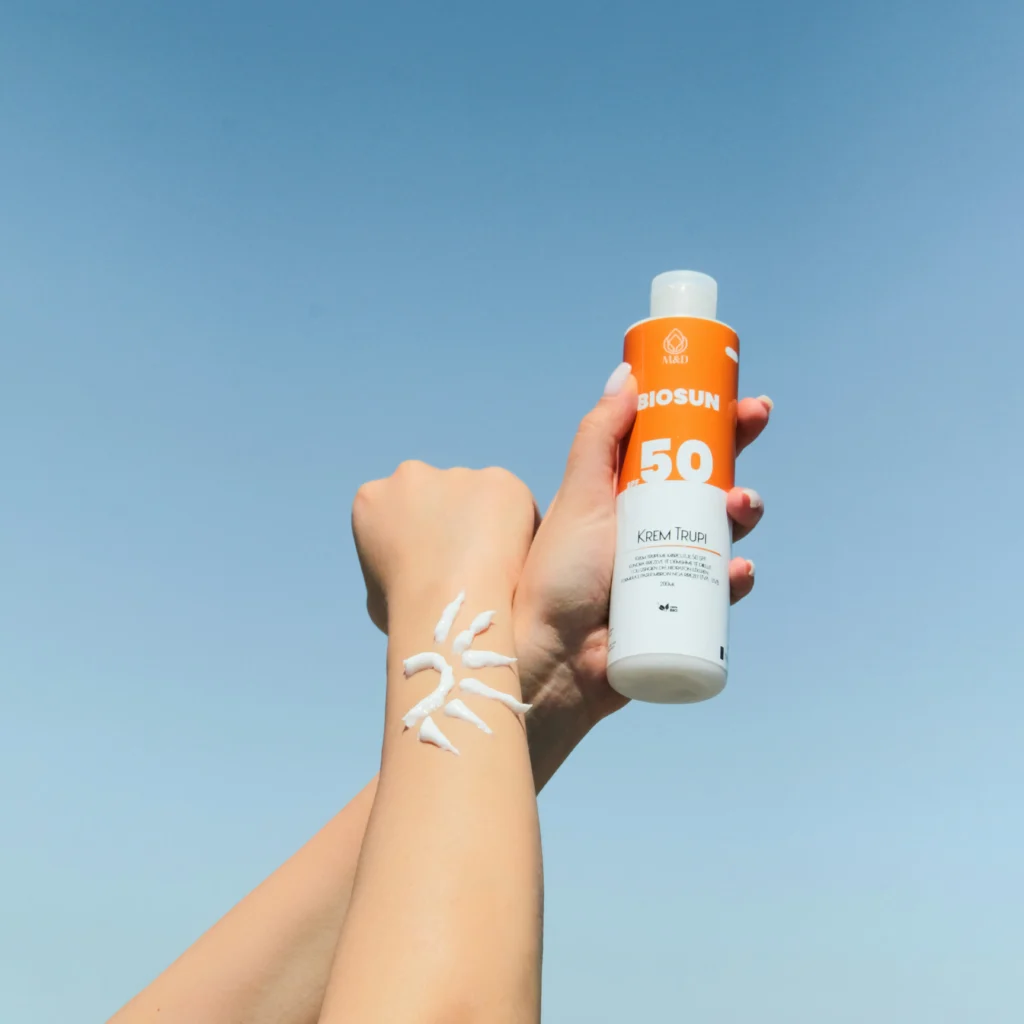
Use a mild cleanser – especially at night/before bedtime – and avoid overly hot water or harsh scrubs. This, says Dr. Yong, helps maintain the skin barrier, which is important for preventing chronic irritation, sensitivity, and eczema flares.
Remember: Skin barrier health is longevity health. Dr. Yong also advocates regular use of a moisturiser – ideally with ceramides/glycerin – to reduce dryness, micro-cracking, and prevent irritants from penetrating the skin barrier. This is particularly important for those who are eczema-prone, or have mature skin.
Active ingredients like retinoids (a derivative of Vitamin A) aren’t just about smoothing lines; they’re very effective in the longevity game too.
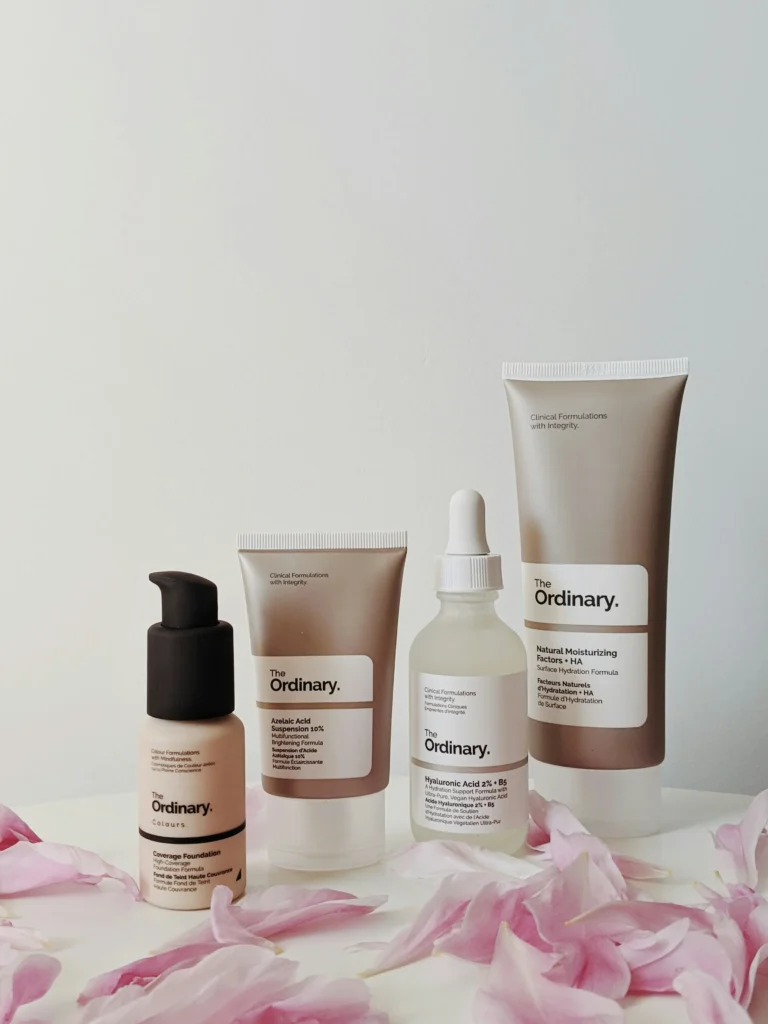
Dr. Yong explains: “A nightly retinoid (or alternative like azelaic acid/niacinamide and gentle PHA for sensitive skin) supports healthy cell turnover, helps acne control, and improves long-term texture and resilience.”
Beyond that, choose one serum based on your actual goal, Dr. Yong adds, not what’s trending.
If you want to brighten your skin and boost antioxidants, choose a serum loaded with Vitamin C. If you need oil control or barrier support, opt for one with niacinamide. And if dehydration is the main issue, select something with hyaluronic acid or glycerin.
It’s important to note that layering actives can actually increase skin irritation. Irritation drives inflammation, which in turn drives aging. Being selective beats being excessive.
This might be the most overlooked step of all, but frequent and regular self-checks are critical. Dr. Kok advises looking out for new pigmented patches, moles or non-healing wounds on your skin, including areas where the sun may or may not shine – like your palms, soles and nails.
Paying attention to your skin is not vanity, it’s vigilance.
Chances are, you’re not changing GPs or clinics every time you fall ill. The same principle applies to your dermatologist.
“Address your skin concerns early and do not dismiss it as just a cosmetic concern. If you have a family history of skin cancer, or an evolving skin growth, see a dermatologist for a review and schedule regular follow-ups,” advises Dr. Kok.
Dr. Kok Wai Leong
MBBS (NUS, S’pore), GDip (Occ Med), FAMS (Dermatology)
Dr. Kok Wai Leong is an accredited dermatologist whose areas of specialty include eczema, psoriasis and skin cancers. He also performs skin surgery, aesthetic and laser procedures.
Dr Kok is passionate about patient education, skin cancer awareness and empowering patients on their skin health.
He serves as a Committee member of the Dermatological Society of Singapore, and a Board member of the Chapter of Dermatologists, College of Physicians (Singapore).
Dermatology Collective Clinic & Surgery
391B Orchard Road
Ngee Ann City Tower B #13-10/10A
Singapore 23887412 Farrer Park Station Road #05-01
Singapore 217565Tel: 6876 7929